The visual representation of numeric data remains a fundamental requirement in industrial electronics. While high-resolution graphical interfaces are becoming more common, the 7 seven segment display continues to be the preferred choice for applications where legibility, power efficiency, and long-term reliability are paramount. From digital multimeters to industrial ovens and medical monitoring equipment, this specific display geometry provides a cost-effective solution for clear data communication.
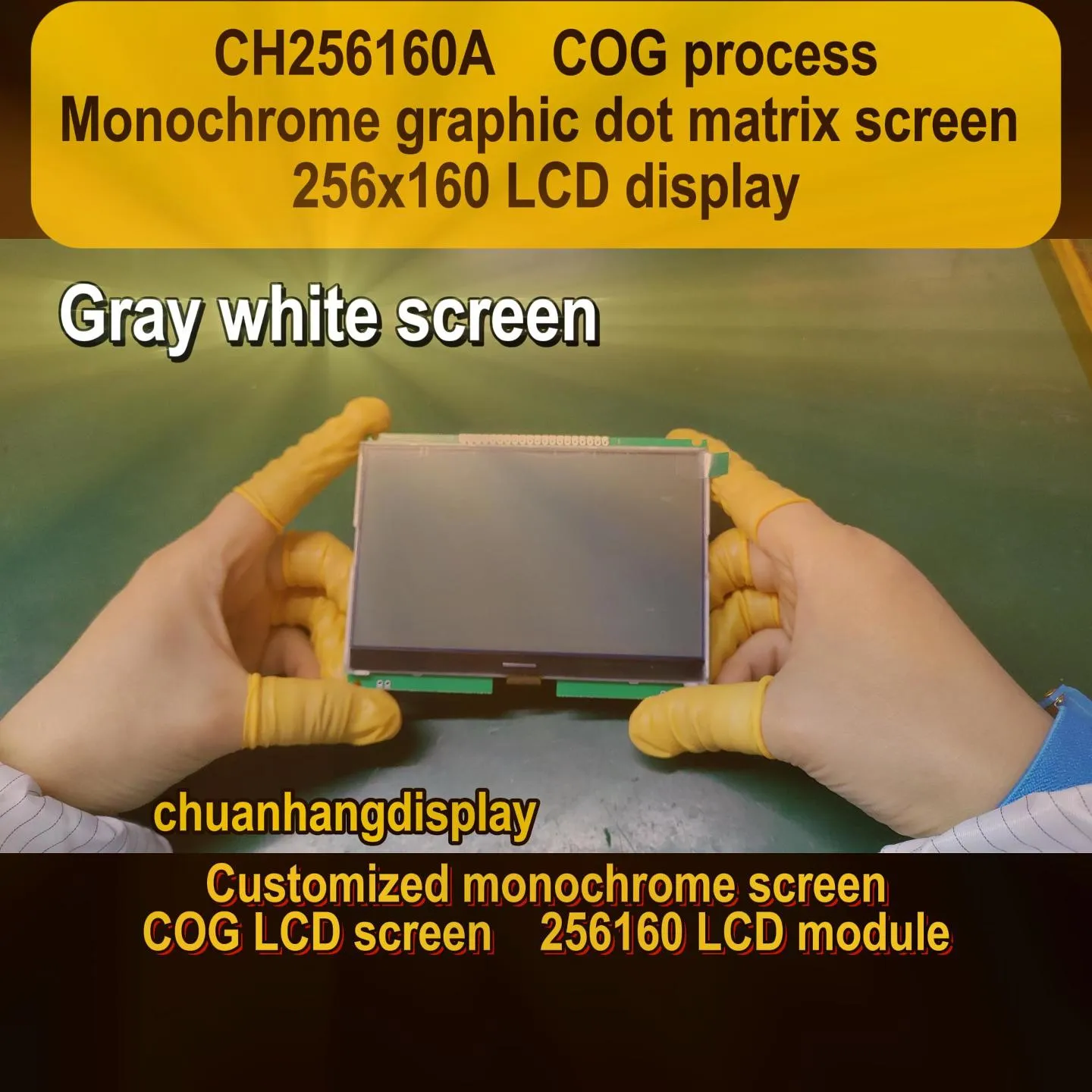
Understanding the internal construction of a numeric display is the first step in successful hardware integration. Although the outward appearance of the digits (labeled 'a' through 'g') is standardized, the underlying technology varies significantly between LED and LCD variants.
In an LED-based module, each segment is composed of one or more light-emitting diode chips. These are typically arranged in either a Common Anode (CA) or Common Cathode (CC) configuration.
Common Anode: All the anodes of the segments are tied to a single pin, which is connected to the positive supply. Individual segments are turned on by grounding their respective cathode pins.Common Cathode: All cathodes are tied to the ground. Segments are activated by applying a logic-high voltage to the corresponding anode pins.
For battery-powered devices, the LCD version of the 7 seven segment display is the industry standard due to its negligible power consumption. Unlike LEDs, which emit light, LCD segments work by modulating ambient or backlight-sourced light. The liquid crystal fluid is sandwiched between two layers of glass coated with transparent Indium Tin Oxide (ITO). When a voltage is applied, the crystals align to block or allow light to pass through polarizers, creating the dark appearance of the segment.
Chuanhang Display focuses on optimizing the ITO coating thickness and the quality of the polarizers to ensure maximum contrast and viewing angles for these LCD-based numeric modules.
The longevity of a display in a B2B context depends heavily on the materials used during the manufacturing process. Industrial environments often subject electronics to extreme temperatures, UV exposure, and mechanical vibration.
In LCD segment displays, the choice of the polarizer is vital.
Reflective Polarizers: These are ideal for outdoor use under direct sunlight, as they reflect ambient light back through the liquid crystal layer.Transflective Polarizers: These provide a balance, working well in both bright sunlight (reflective mode) and low-light conditions when paired with a backlight (transmissive mode).Wide-Temperature Liquid Crystals: Standard commercial displays often fail below 0°C or above 50°C. Industrial-grade modules utilize specialized fluid mixtures that remain functional from -30°C to +80°C without the liquid crystal reaching its isotropic point (where it turns into a clear liquid and loses its switching properties).
For LED versions, the "binning" process is what separates professional-grade components from consumer ones. Binning ensures that every segment across multiple digits has the exact same forward voltage, wavelength (color), and luminous intensity. Inconsistent binning leads to "patchy" displays where some segments appear brighter or slightly different in hue than others—a major red flag in professional medical or aerospace equipment.
Designing the circuitry for a 7 seven segment display requires a strategic choice between static and multiplexed driving. This decision impacts the MCU pin count and the overall Electromagnetic Interference (EMI) profile of the device.
In a static drive configuration, each segment of every digit has a dedicated connection to the driver. While this requires a high pin count, it offers the highest contrast and zero flicker. This is often used in high-precision laboratory instruments where signal noise must be kept to an absolute minimum.
Multiplexing is the standard for multi-digit displays. By connecting the segments of all digits in parallel and rapidly switching the common pins (anode or cathode) in sequence, the system relies on the "persistence of vision" of the human eye.
Duty Cycle: The fraction of time each digit is active. A 4-digit display typically operates at a 1/4 duty cycle.Refresh Rate: To avoid flicker, the scanning frequency must be high enough (usually above 60Hz-100Hz).Driver ICs: Modern designs often utilize specialized chips like the MAX7219 or 74HC595 shift registers to reduce the load on the main processor and simplify the PCB layout.
Engineers frequently encounter specific hurdles when integrating numeric displays into complex systems. Addressing these during the design phase prevents costly revisions.
In LCD segment displays, ghosting occurs when segments that should be "off" appear partially "on." This is usually caused by an improper AC driving waveform or high-impedance connections. Unlike LEDs, LCDs must be driven with a square-wave AC signal to prevent DC electrolysis, which can permanently damage the liquid crystal fluid.
A common complaint in outdoor applications, such as gas station pumps or EV charging stations, is that the display becomes washed out. By utilizing high-reflectivity polarizers or ultra-high-brightness LED backlights (exceeding 1000 nits), manufacturers like Chuanhang Display ensure that the data remains legible even under peak solar radiation.
In factory settings, static discharge can easily destroy a sensitive display driver. Incorporating ESD protection diodes on the data lines and ensuring proper shielding of the display ribbon cable are necessary steps for passing CE or FCC certification.
Procuring a 7 seven segment display involves more than just selecting a part number from a catalog. For long-term projects, stability of supply is the most significant factor.
Consumer electronics have short lifecycles, but industrial machines may be in service for over a decade. B2B buyers must seek suppliers that offer a "Long-Term Availability" guarantee. If a specific glass substrate or driver IC is discontinued, the supplier should provide a minimum of 6-12 months' notice and a clear migration path to a compatible replacement.
Often, a standard 0.5-inch digit doesn't fit the specific aesthetics or mechanical constraints of a new product. Customization of the FPC (Flexible Printed Circuit) length, pinout orientation, or the inclusion of custom icons (like "Low Battery," "Bluetooth," or "Error") requires a custom mold. Understanding the Non-Recurring Engineering (NRE) costs and the Minimum Order Quantity (MOQ) is essential for budgeting.
Verify that the manufacturer adheres to ISO 9001 for general quality and, if applicable, IATF 16949 for automotive-grade components. Every 7 seven segment display should undergo automated optical inspection (AOI) to ensure there are no broken segments or cosmetic defects in the glass.
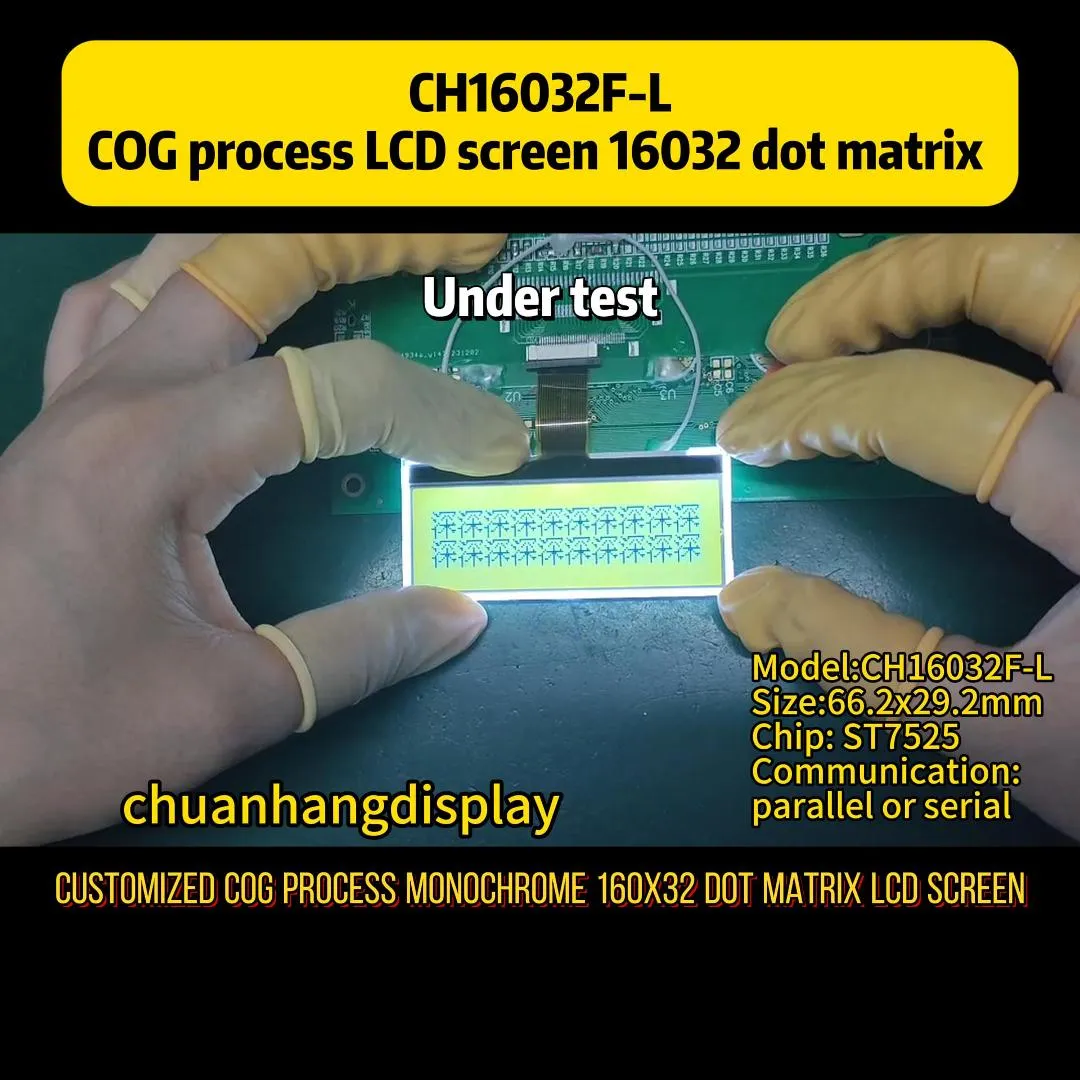
While dot-matrix and TFT screens are prevalent, the segmented display is evolving. We are seeing the rise of "VA (Vertical Alignment) Segment LCDs," which offer incredibly deep black backgrounds and high contrast ratios, mimicking the look of an OLED but at a fraction of the cost and with a much longer lifespan. This "negative mode" display technology is becoming the hallmark of high-end household appliances and modern automotive interiors.
Furthermore, the integration of touch-sensitive icons directly onto the segment display glass is simplifying the user interface design, allowing a single component to handle both output and input.
The 7 seven segment display remains an indispensable tool in the engineer's toolkit. Its simplicity is its greatest strength, offering unrivaled clarity and efficiency. However, achieving professional-grade results requires attention to detail in material selection, driving logic, and environmental protection.
By partnering with an experienced manufacturer like Chuanhang Display, you gain access to technical expertise that ensures your display remains functional and vibrant throughout the entire lifecycle of your product. Whether you require a standard numeric module or a fully customized segmented solution, focusing on quality at the component level is the best investment in your brand's reputation.
Q1: Can I drive an LCD 7-segment display directly with a DC voltage?
A1: No. Driving an LCD with a constant DC voltage will cause a chemical reaction called electrolysis, which will permanently degrade the liquid crystal and ruin the display. You must use an AC square wave, typically generated by a dedicated LCD driver IC or an MCU with a built-in LCD controller.
Q2: What is the difference between a TN and a VA segment display?
A2: TN (Twisted Nematic) is the traditional, cost-effective technology with a grayish background. VA (Vertical Alignment) offers a much deeper black background and higher contrast, making it look much more modern and high-end, though it usually requires a backlight to be visible.
Q3: How do I choose between a 7-segment and a 14-segment display?
A3: A 7 seven segment display is designed exclusively for numbers (0-9) and a few limited letters (A, b, C, d, E, F). If your application requires the full alphabet (A-Z) in a segmented format, you will need a 14-segment (starburst) or 16-segment display.
Q4: Why are some LED segments dimmer than others in my multi-digit module?
A4: This is usually due to poor binning of the LED dies or an inadequate power supply. If you are multiplexing, ensure that your driver can provide enough peak current for the shortened duty cycle. Professional suppliers like Chuanhang Display ensure tight binning to prevent this brightness variance.
Q5: What is the typical lifespan of a segmented LCD module?
A5: An industrial-grade LCD segment display typically has an operational life of 50,000 to 100,000 hours. The primary failure point is usually the polarizer (which can degrade under heavy UV exposure) or the backlight LEDs, rather than the liquid crystal itself.
Are you designing a new product that requires a reliable numeric interface? Our engineering team is ready to provide detailed datasheets, 3D models, and samples tailored to your specific requirements.