A 12864 LCD display is a common and versatile component in the world of embedded electronics and industrial controls. Its name directly describes its core specification: a screen capable of showing 128 pixels horizontally and 64 pixels vertically. This monochrome graphical display is a step up from basic character-only modules, allowing for custom graphics, icons, and complex data visualization.
These modules are prized for their reliability, low power consumption, and excellent readability in various lighting conditions. They serve as the primary user interface for countless devices, from medical instruments and test equipment to point-of-sale systems and DIY hobbyist projects. Understanding the capabilities and integration of a 12864 LCD display is essential for engineers and developers across industries.

The standard 128x64 pixel array is the defining feature. This resolution provides enough space for multiple lines of text alongside graphical elements. Most modules use STN or FSTN liquid crystal technology, offering a clear contrast between the dark pixels (usually blue or green) and a light background.
The display area is typically backlit by LED lights, ensuring visibility in low-light environments. The controller chip is the brain of the module. Two of the most prevalent controllers are the KS0108 and the ST7920. The choice of controller significantly impacts how you communicate with the display.
Interfacing a 12864 LCD display with a microcontroller is straightforward, with two primary methods.
The parallel interface, often an 8-bit or 4-bit mode, uses multiple data pins (D0-D7) alongside control pins (RS, RW, E). This method allows for high-speed data transfer, which is crucial for rapidly updating complex graphics. It’s powerful but uses more of the microcontroller’s I/O pins.
For projects with limited I/O resources, the serial interface is a lifesaver. Many modules, especially those with the ST7920 controller, support Serial Peripheral Interface (SPI) or I2C communication. These modes require only 2-4 wires, dramatically simplifying wiring and saving precious pins on your main board.
Driving a 12864 LCD requires sending specific commands to initialize the controller and set its operating mode. This process clears the display, sets the entry mode, and turns the display on. After initialization, you can send data to draw pixels or write characters.
Most programming involves using a dedicated library. For Arduino users, libraries like U8glib or the Adafruit GFX library support many common 12864 controllers. These libraries handle low-level commands, allowing you to focus on drawing lines, shapes, and text with simple function calls.
The utility of the 12864 LCD display spans numerous sectors. In industrial automation, it’s used in HMI panels for monitoring machine status and parameters. Consumer appliances, such as high-end coffee makers or HVAC controllers, use them for intuitive user menus.
In the medical field, portable diagnostic devices rely on these displays for showing readings and waveforms. Retail and hospitality utilize them in cash registers and ordering kiosks. Their robustness and clear display make them a default choice for cost-sensitive, performance-critical applications worldwide.
When sourcing a reliable 12864 LCD display, partnering with an experienced manufacturer is key. Chuanhang Display specializes in producing high-quality LCD modules that meet stringent industrial standards. Their 12864 offerings are known for consistent performance, excellent solderability, and long-term stability.
Chuanhang Display provides modules with various viewing modes, temperature ranges, and connector options. They offer strong technical support, including detailed datasheets and reference schematics, which accelerates the integration process for their clients. For businesses looking for a dependable supply chain partner, Chuanhang Display’s expertise in the液晶领域 is a significant advantage.
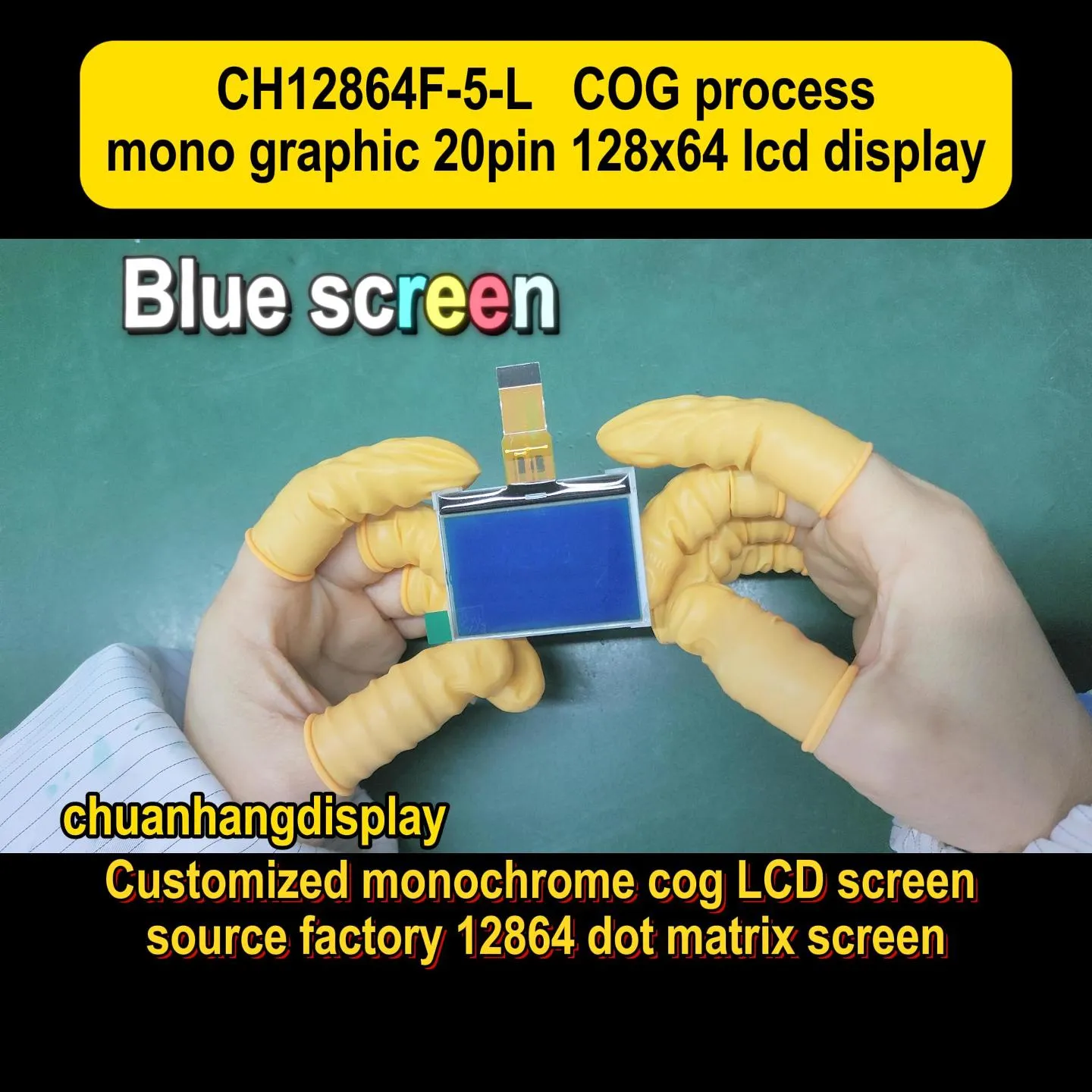
While newer technologies like OLED exist, the classic 12864 LCD display remains deeply entrenched in the market due to its proven track record and cost-effectiveness. Its role in providing a stable, readable, and programmable interface is secure for the foreseeable future, especially in B2B and industrial applications.
For developers creating the next generation of embedded devices, mastering this display technology is a practical and valuable skill. Its balance of functionality, clarity, and simplicity continues to make it a fundamental component in electronic design. Whether you are building a prototype or scaling up production, understanding and utilizing a 12864 LCD display is a step toward a successful product interface.
Q1: What exactly does "12864" mean in an LCD display?
A1: The numbers "12864" refer to the display's resolution: 128 pixels in width and 64 pixels in height. It is a monochrome graphical LCD capable of showing custom images, not just text.
Q2: How do I connect a 12864 LCD to an Arduino board?
A2: You can connect it using a parallel interface (using many pins) or a serial interface (SPI or I2C, using fewer pins). Using a serial adapter or a module with a built-in serial interface is the simplest method. Libraries like U8glib then handle the communication.
Q3: What is the main difference between a 12864 LCD and a common 1602 LCD?
A3: A 1602 LCD is a character-only display (16 characters x 2 lines), while a 12864 LCD is a graphical display. The 12864 can display any custom graphic, including text in various fonts, charts, and icons, offering much greater flexibility.
Q4: Why does my 12864 LCD have poor viewing angles or contrast?
A4: This can depend on the type of LCD (TN, STN, FSTN). FSTN modules generally offer wider viewing angles and better contrast. Adjusting the potentiometer for the LCD bias voltage (V0) on the module's back can often significantly improve contrast.
Q5: Can I use a 12864 LCD display outdoors?
A5: Standard modules are designed for indoor use. For outdoor or high-ambient-light applications, you would need a specifically designed display, such as one with a high-brightness backlight or a transflective layer, which Chuanhang Display can provide as a custom solution.