A 7 seven segment display is a fundamental electronic component used to show numerical digits and some letters. This article explains how these displays function, their different types, and where they are commonly used. We will also provide guidance on selection, featuring expertise from Chuanhang Display, a trusted supplier in the industry.
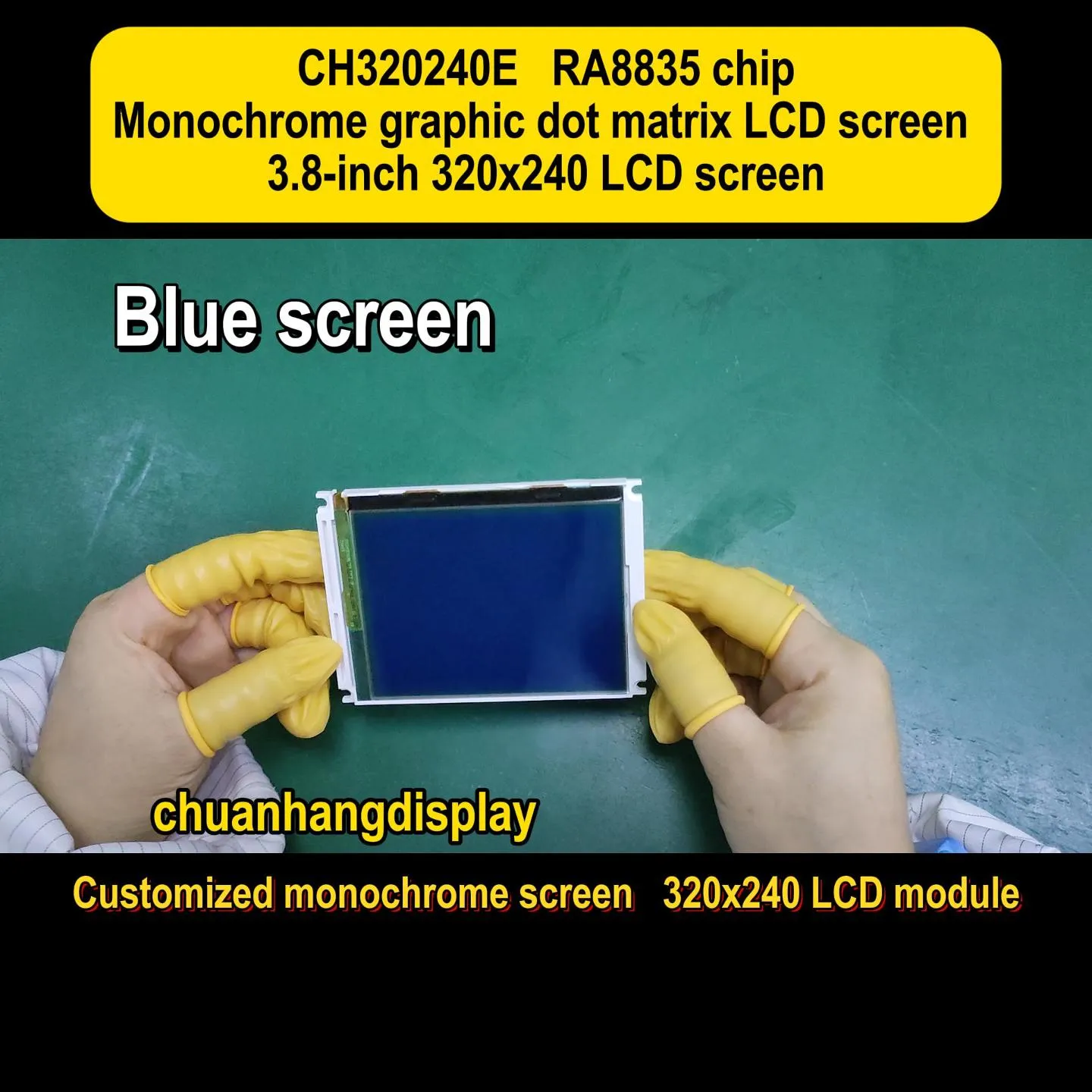
A 7 seven segment display is an array of seven independently controlled light-emitting segments arranged in a figure-eight pattern. By illuminating specific segments, it can form the decimal digits 0-9.
The basic structure consists of:
Seven rectangular segments labeled 'a' through 'g'.
An optional eighth segment for a decimal point (DP).
Common anode or common cathode electrical configuration.
A simple interface for connection to controllers like microcontrollers.
Its simplicity, reliability, and low cost have made it a standard for numeric readouts for decades.
The operation is straightforward. Each segment contains a light source. Turning specific segments on creates recognizable characters.
A controller, such as a driver IC or microcontroller, sends signals to power individual segments. A truth table defines which segments are needed for each number.
For example, to show the number "7":
Segments a, b, and c are illuminated.
All other segments remain off.
This is a crucial distinction for circuit design.
Common Anode: All segment anodes are connected to a positive voltage. Segments are turned on by applying a low (ground) signal to their cathode.
Common Cathode: All segment cathodes are connected to ground. Segments are turned on by applying a high (positive) signal to their anode.
The choice affects how the display is interfaced with the driving circuit.
These displays are built using different underlying technologies, each with its own advantages.
These use Light Emitting Diodes (LEDs) as the light source for each segment. They are very popular due to their brightness.
Key features include:
High brightness and excellent visibility.
Wide range of colors (red, green, yellow, blue, white).
Long operational life and robustness.
Common in consumer electronics and instrumentation.
Liquid Crystal Display (LCD) segments work by blocking or transmitting light. They require an external light source like a backlight or reflector.
Key features include:
Extremely low power consumption, ideal for battery-powered devices.
Good readability in bright ambient light.
Wide temperature range operation.
Common in calculators, digital watches, and industrial panels.
Companies like Chuanhang Display offer a variety of reliable LCD-based numeric displays.
While less common, other types exist.
VFD (Vacuum Fluorescent Display): Offers high brightness and wide viewing angles, often used in automotive and audio equipment.
OLED (Organic LED): Provides high contrast and flexibility, used in some modern high-end devices.
Due to their simplicity and effectiveness, these displays are found in countless devices across many industries.
They provide clear numeric information in everyday gadgets.
Examples include:
Digital clocks and alarm clocks.
Microwave ovens and kitchen timers.
Electric meter readouts.
Basic calculators.
In industrial settings, they display critical data reliably.
Typical uses are:
Digital multimeters and frequency counters.
Process control panels for temperature or pressure.
Test and measurement device readouts.
Counters and timers in manufacturing.
They are used in vehicle dashboards and control systems.
Applications involve:
Odometer and trip meter displays.
Radio frequency readouts.
Climate control temperature indicators.
Avionic system indicators (often with high-grade specifications).
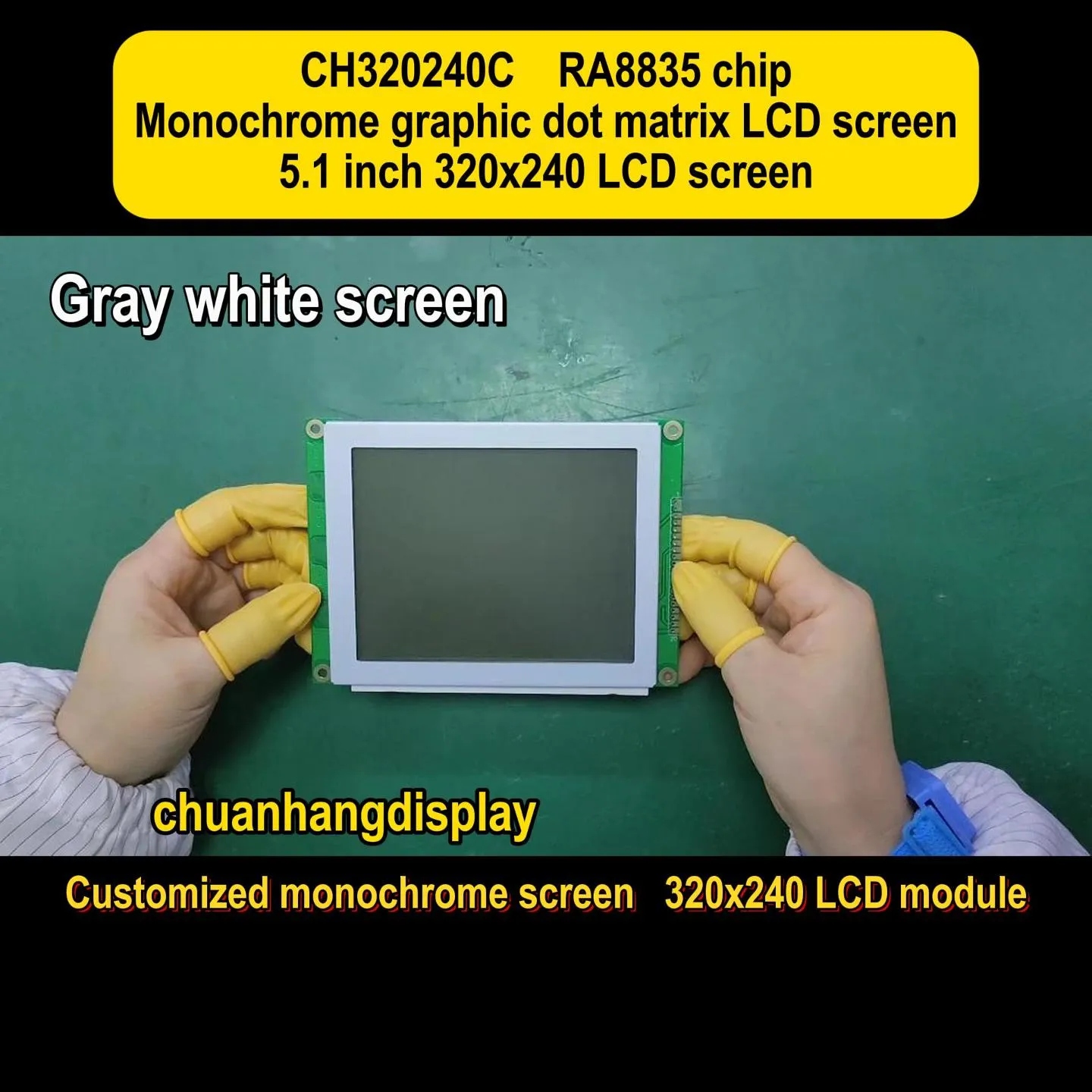
Driving a 7 seven segment display requires some basic electronics knowledge. The method depends on the number of digits and available microcontroller pins.
For a single digit, you can connect each segment directly to a microcontroller GPIO pin. A current-limiting resistor is essential for LED types.
This method is simple but uses many pins (7 or 8).
For multiple digits or to save microcontroller pins, a driver IC is used. Common examples are the CD4511 (for BCD input) or MAX7219.
Benefits of using a driver:
Reduces required GPIO pins significantly.
Often includes features like digit multiplexing and brightness control.
Simplifies the software code.
To control several digits, multiplexing is a standard technique. It quickly cycles power between each digit while lighting the correct segments for that digit.
This creates the illusion that all digits are on simultaneously while using far fewer wires.
Selecting the correct display involves considering several practical factors.
Key selection criteria include:
Technology (LED vs. LCD): Choose LED for brightness and self-illumination. Choose LCD for ultra-low power and sunlight readability.
Digit Size and Color: Select a size for viewing distance. Choose a color (like red, green, blue for LED) that fits your design.
Brightness/Luminance: Ensure it is sufficient for the operating environment (indoor vs. outdoor).
Electrical Configuration: Decide between common anode or common cathode based on your circuit design.
Interface Requirements: Consider if you need a simple display or one with a built-in controller.
Environmental Rating: For harsh conditions, look for extended temperature ranges or protective coatings.
Suppliers like Chuanhang Display can assist in navigating these choices based on your specific application needs.
While traditional, the 7 seven segment display remains highly relevant. Its future lies in integration and refinement.
Current trends include:
Integration with smart sensors and IoT modules.
Development of even more energy-efficient LCD and OLED versions.
Use in retro-styled modern electronics for aesthetic appeal.
In conclusion, the 7-segment display is a versatile, reliable, and cost-effective solution for numeric output. Whether you choose a bright LED or a power-efficient LCD type from a manufacturer like Chuanhang Display, understanding its principles and applications is key to a successful design.
Q1: What is the main difference between common anode and common cathode displays?
A1: The main difference is in the electrical connection. In a common anode display, you ground the segment to turn it on. In a common cathode display, you apply voltage to the segment to turn it on. Your circuit design must match the display type.
Q2: Can a 7-segment display show letters?
A2: Yes, it can show a limited set of uppercase letters like A, B, C, D, E, and F, which are useful for hexadecimal representation. However, it cannot correctly display all letters of the alphabet.
Q3: How long do LED seven segment displays typically last?
A3: LED-based displays have a very long lifespan, often rated between 50,000 to 100,000 hours of continuous operation. Their longevity is one of their key advantages.
Q4: Why would I choose an LCD seven segment display over an LED?
A4: Choose an LCD primarily for very low power consumption (microamps) and excellent visibility in direct sunlight. They are ideal for battery-powered portable devices like calipers or instrument panels in bright light.
Q5: Can I get custom specifications for a 7-segment display?
A5: Yes, manufacturers like Chuanhang Display often provide customization options. This can include special digit sizes, colors, custom icon segments, specific pinouts, or environmental hardening for temperature and humidity.