An LCD display module is a core component in modern electronics, enabling visual output in devices ranging from smartphones to industrial machines. This article provides a detailed overview of LCD display modules, covering their types, key technologies, and diverse applications. We will also offer practical advice on selection, supported by expertise from Chuanhang Display, a reputable manufacturer in the field.

An LCD display module integrates a liquid crystal panel, backlight, and drive circuitry into a single unit. It functions by manipulating light to produce images and text.
Key elements include:
Liquid crystal layer: Regulates light transmission based on electrical signals.
Polarizers: Filter light to create contrast and visibility.
Backlight system: Provides illumination, often using LEDs.
Driver electronics: Process input signals to control pixel display.
These modules are known for their reliability, low power consumption, and cost-effectiveness. They serve as the visual interface in many electronic systems.
LCD display modules come in various technologies, each suited for specific needs. Understanding these types helps in selecting the right module.
TN modules are common due to their fast response times and affordability. They are often used in basic displays where wide viewing angles are not critical.
Typical applications include:
Budget monitors and screens.
Simple instrument panels.
Consumer electronics with cost constraints.
IPS modules offer superior color accuracy and wider viewing angles. They are preferred for applications requiring high visual quality.
Advantages include:
Better color consistency across angles.
Enhanced image clarity for detailed graphics.
Use in premium devices like tablets and professional monitors.
VA modules provide high contrast ratios and good color reproduction. They strike a balance between TN and IPS technologies.
Common uses involve:
Home entertainment systems and TVs.
Applications needing deep blacks and rich colors.
General-purpose displays with moderate viewing angles.
Advancements in technology have improved the performance of LCD display modules. Key innovations enhance functionality and user experience.
Backlights are crucial for display brightness. Modern modules primarily use LED backlights for energy efficiency and longevity.
Features include:
LED arrays for uniform illumination.
Adjustable brightness for different environments.
Low power consumption compared to older CCFL backlights.
Many LCD display modules now incorporate touch functionality. This adds interactivity for user interfaces.
Touch technologies include:
Resistive touch for cost-effective solutions.
Capacitive touch for smoother, multi-touch responses.
Industrial-grade touchscreens for harsh conditions.
Higher resolutions, such as Full HD or 4K, provide sharper images. Increased brightness ensures readability in bright settings.
Benefits are:
Clear text and graphics for detailed applications.
Outdoor visibility with high-nit ratings.
Support for multimedia and data-intensive tasks.
LCD display modules are versatile, found across many industries. Their adaptability drives innovation in various sectors.
From smartphones to home appliances, these modules provide user interfaces. They are essential for daily devices.
Examples include:
Smartphone and tablet screens.
Television and monitor displays.
Gaming consoles and wearable devices.
In vehicles, LCD modules show information on dashboards and infotainment systems. They must be durable and readable.
Uses cover:
Instrument clusters for speed and fuel data.
Central console screens for navigation and media.
Rear-seat entertainment displays.
Medical devices rely on accurate displays for monitoring and diagnostics. LCD modules offer clarity and reliability.
Applications involve:
Patient monitors for vital signs.
Diagnostic imaging screens.
Portable medical tools with compact displays.
In industrial settings, these modules withstand tough conditions. They provide real-time data for machinery control.
Typical uses are:
Factory automation panels.
HVAC system interfaces.
Robotics and process control displays.
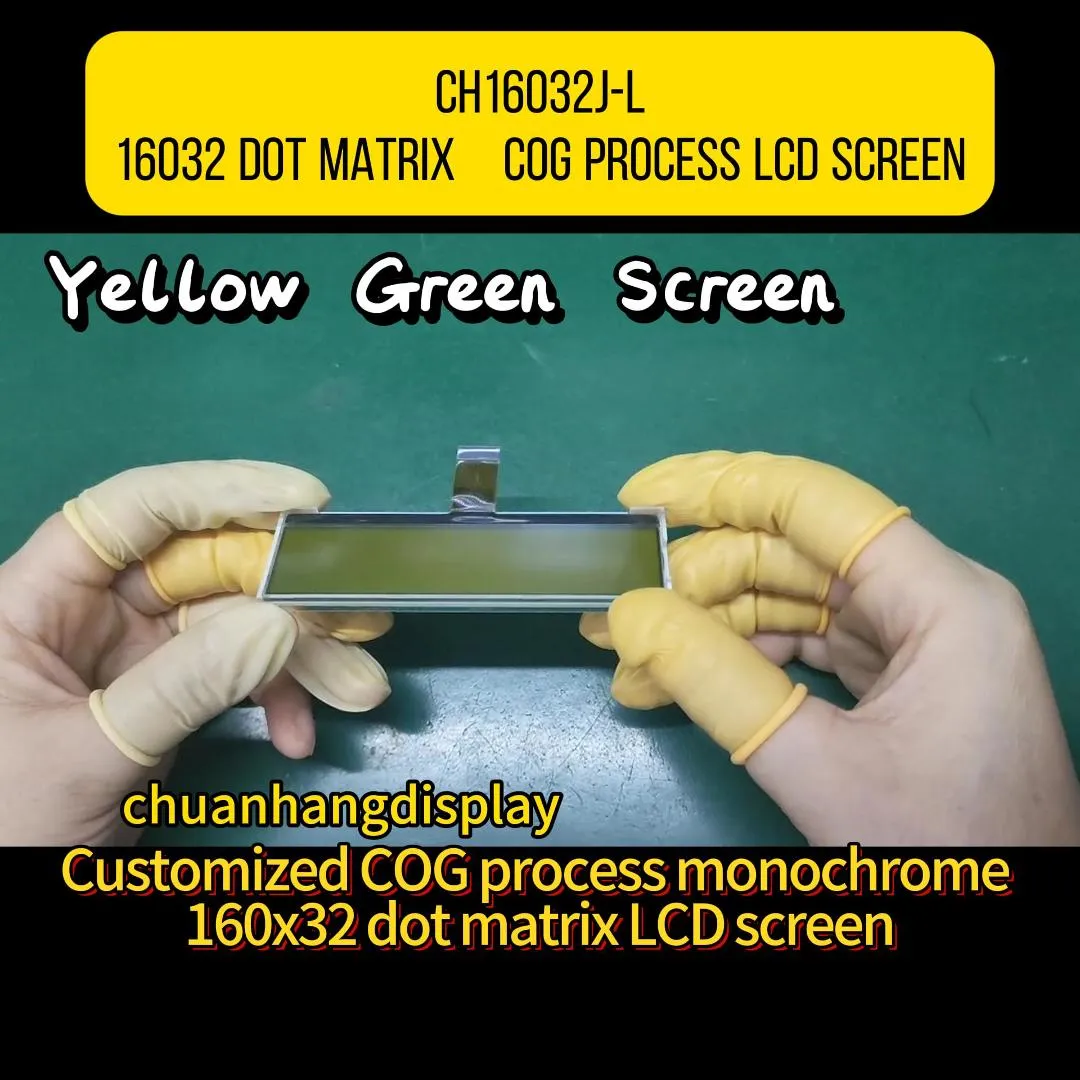
Selecting an appropriate LCD display module depends on several factors. Consider these aspects for optimal performance.
Key criteria include:
Size and resolution: Match the display area and pixel density to your application.
Interface type: Choose compatible interfaces like HDMI, LVDS, or MIPI.
Environmental durability: Ensure the module can handle temperature, humidity, and vibration.
Power consumption: Opt for energy-efficient modules for battery-powered devices.
Cost: Balance budget with required features and quality.
Consulting with suppliers like Chuanhang Display can help tailor solutions to specific needs.
Chuanhang Display specializes in manufacturing high-quality LCD display modules. With years of experience, they offer customized solutions for global clients.
Their products feature:
Wide range of types, from TN to IPS modules.
Robust designs for industrial and consumer use.
Technical support and after-sales service.
Visit Chuanhang Display to explore their offerings and expertise in LCD technology.
The LCD industry continues to evolve with new trends. Innovations aim to enhance performance and expand applications.
Emerging developments include:
Mini-LED backlights for better contrast and efficiency.
Flexible and curved displays for unique form factors.
Integration with IoT for smarter device connectivity.
Improved sustainability with recyclable materials.
These trends will shape the next generation of LCD display modules, keeping them relevant in competitive markets.
In summary, the LCD display module remains a fundamental technology in electronics, offering versatility and reliability. By understanding its types, technologies, and applications, users can make informed decisions. Companies like Chuanhang Display contribute to this field with innovative products and support.
Q1: What is the typical lifespan of an LCD display module?
A1: Most LCD display modules last between 30,000 to 60,000 hours, depending on usage and environmental conditions. Proper maintenance can extend this lifespan.
Q2: Can LCD display modules operate in extreme temperatures?
A2: Yes, many industrial-grade modules are designed for wide temperature ranges, from -20°C to 70°C. Always check specifications for specific ratings.
Q3: How do I interface an LCD display module with my system?
A3: Interfaces vary; common options include LVDS, RGB, and MIPI. Choose a module with a compatible interface and consult datasheets or suppliers like Chuanhang Display for integration guidance.
Q4: What is the difference between an LCD module and an OLED module?
A4: LCD modules use a backlight and liquid crystals, while OLED modules emit light directly from organic materials. OLEDs offer better contrast but are often more expensive than LCDs.
Q5: Can I customize an LCD display module for my specific application?
A5: Yes, manufacturers like Chuanhang Display offer customization for size, resolution, touch features, and environmental protection. Discuss your requirements for tailored solutions.