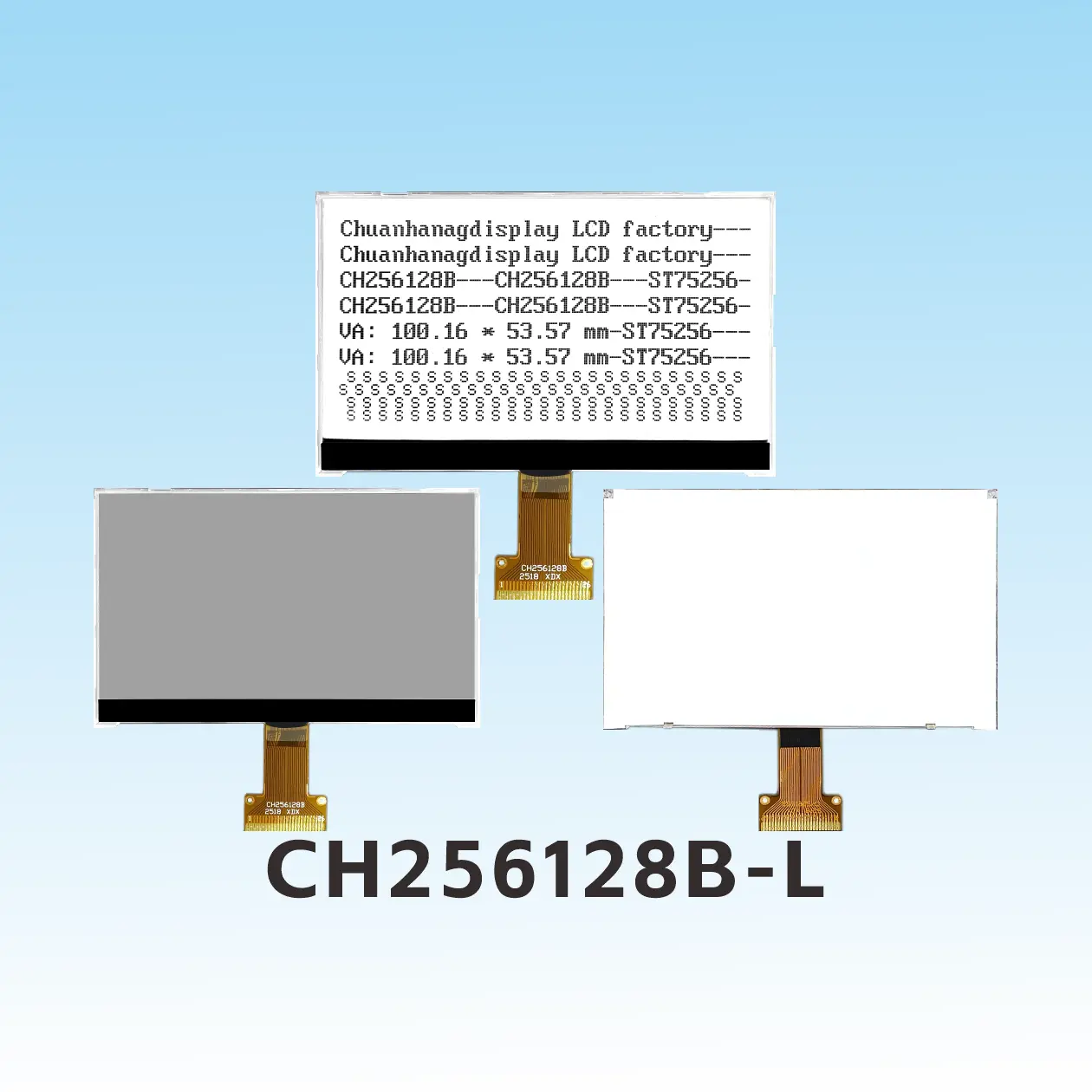
Chip-on-Glass technology remains a cornerstone for embedded hardware. By mounting the display driver IC directly onto the contact edge of the LCD glass substrate, the COG LCD screen eliminates bulky circuit boards and reduces mechanical footprint. It delivers exceptional power efficiency, clean form factors, and high vibration resistance for modern industrial and consumer hardware.
Yet, sourcing these modules carries significant risk. In B2B electronics manufacturing, choosing the wrong display partner causes severe ripple effects: micro-fractures in the field, ghosting pixels, unannounced component obsolescence, and catastrophic delivery delays that stall your assembly lines.
At Chuanhang Display, we regularly audit defective panels sent to us by hardware companies who initially prioritized rock-bottom pricing over verified factory capabilities. To protect your brand reputation and project budget, this guide outlines the major technical and operational red flags you must spot before issuing a purchase order to any LCD supplier.
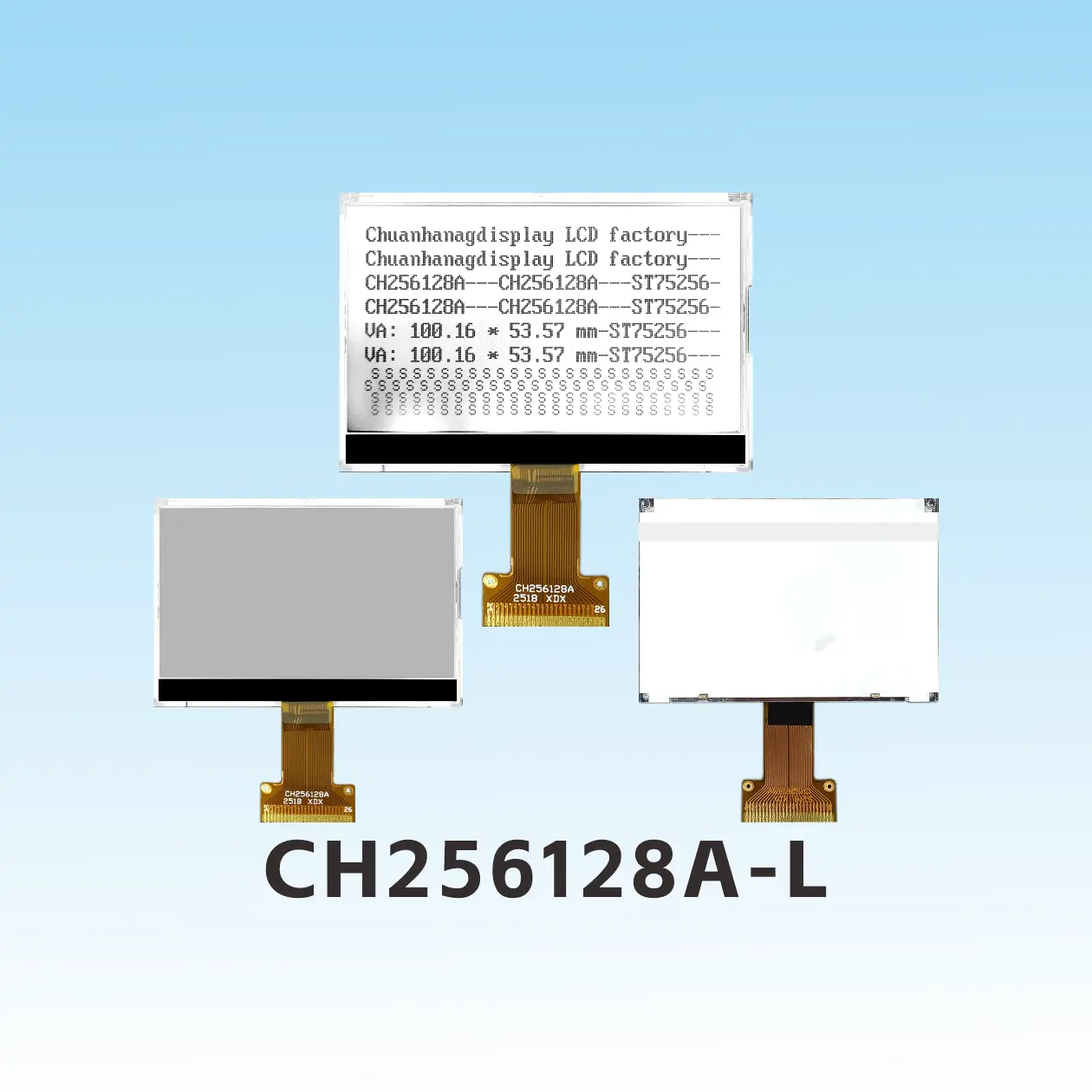
Unlike traditional Surface Mount Technology (SMT) or Chip-on-Board (COB) designs, COG architecture leaves no room for assembly errors. The bare silicon driver IC bonds to the Indium Tin Oxide (ITO) tracks on the glass using Anisotropic Conductive Film (ACF). The electrical pitch between pads often measures less than 30 to 50 microns.
This microscopic bonding requires sub-micron alignment accuracy, strictly monitored heat-press profiles, and pristine ambient conditions. According to technical resources from the Society for Information Display (SID), micro-contamination during ACF placement directly causes latent electrical opens and short circuits under thermal stress.
If a factory cuts corners on process control, your initial batch might pass basic bench testing. Months later, field temperature swings will cause conductive ball relaxation, resulting in missing display lines or intermittent controller resets.
Many suppliers listing displays on global trading portals do not own a single bonding press. They purchase standard panels from glass foundries, outsource FPC attachment to third-tier workshops, and operate as simple brokers.
If a supplier cannot show their own automated COG and FOG (Film-on-Glass) equipment running on a verified shop floor, walk away. You will lose control over your supply chain timeline.
The display driver IC (DDIC) dictates the life cycle of your COG LCD screen. Shady vendors keep component bills of materials (BOMs) hidden and source chips through grey-market brokers rather than authorized foundry agents.
This leads to recycled, counterfeit, or end-of-life silicon entering your supply stream. If a controller like the ST7567, UC1608, or NT7538 disappears without notice, your engineering team must rewrite firmware and spin a new PCB rev.
A legitimate partner provides a guaranteed silicon roadmap, transparent lot tracking back to original wafer lots, and at least 12 to 18 months of advance Product Change Notifications (PCN) for mature designs.
COG bonding tolerates zero airborne particulate. A single dust speck measuring 5 microns resting on an ITO track before heat sealing blocks electrical contact or fractures the glass substrate during tool touchdown.
Unqualified vendors attempt ACF bonding in standard Class 10,000 or unrated assembly spaces. At Chuanhang Display, all raw glass loading, ACF placement, and final bonding stages run inside strictly controlled Class 1,000 (ISO 6) or better environments with positive pressure systems and real-time electrostatic discharge (ESD) tracking.
Ask prospective vendors for their environmental monitoring logs, static dissipation floor audits, and worker gowning protocols. Vague answers point directly to high field-failure rates.
Standard off-the-shelf displays rarely fit bespoke industrial, automotive, or medical enclosures. Your layout might demand an offset Flexible Printed Circuit (FPC), a sunlight-readable transflective polarizer, an ultra-thin backlight frame, or a wide operating temperature range (-30°C to +80°C).
When a manufacturer pushes you toward their fixed-dimension stock products and resists custom ITO mask adjustments or FPC routing changes, it signals deficient internal R&D. Capable manufacturers maintain dedicated mechanical, optical, and electrical engineering personnel ready to provide customized glass tooling and structural integration.
A simple ISO 9001 registration on a company website is no longer sufficient for mission-critical components. Certified quality systems must reflect specialized manufacturing controls governed by international frameworks like ISO quality standards.
Examine the supplier's quality control station. Do they rely solely on human visual inspection to evaluate micron-level bonding joints? Reliable producers use inline Automated Optical Inspection (AOI) to verify conductive particle deformation across every pin.
They also perform systematic environmental stress screening (ESS), including:
During new product introduction (NPI), unexpected display issues will emerge: initialization command errors, flicker, contrast degradation, or trace crosstalk. If your primary contact is a sales agent who cannot read an LCD timing diagram, resolution takes weeks.
You need direct access to internal hardware and firmware engineers. When communication loops require 48 to 72 hours just to clarify a pin-out mapping question, your time-to-market window shuts down quickly.
Before issuing tooling deposits, evaluate your short-listed partners against this engineering scorecard:
Filter out unstable suppliers during initial discovery by putting these questions directly to their engineering lead:
Q1: What makes a COG LCD screen superior to a COB display
module?
A1: A COG (Chip-on-Glass) module features the driver IC
mounted directly on the glass substrate, drastically reducing overall thickness,
weight, and assembly cost compared to COB (Chip-on-Board), which mounts the IC
on an auxiliary PCB with wire bonding. COG offers higher vibration resistance,
fewer mechanical failure points, and a cleaner footprint for compact
housings.
Q2: Why do COG displays sometimes suffer from missing segment lines
in the field?
A2: Missing lines usually indicate failure at the ACF
bonding joint between the driver IC and the glass ITO traces. Causes include
inadequate heat or pressure calibration during bonding, particulate
contamination in a substandard cleanroom, mechanical deflection of the display
glass without proper chassis support, or poor-quality ACF adhesive that absorbs
ambient moisture.
Q3: How long does custom COG LCD tooling take from concept to working
samples?
A3: Most standard custom projects take 3 to 4 weeks for
counter-drawings, photomask fabrication, and initial prototype assembly. If your
project includes custom backlight mechanics or complex capacitive touch sensor
lamination, turnaround generally runs between 5 and 7 weeks.
Q4: Can a COG LCD screen operate reliably in extreme sub-zero
environments?
A4: Yes, provided the manufacturer specifies an
ultra-wide temperature liquid crystal fluid mix, low-temperature-grade
polarizers, and proper driver IC register settings. High-tier industrial modules
operate smoothly from -30°C to +80°C, though response times naturally slow down
at lower thermal thresholds.
Q5: What minimum order quantity (MOQ) should B2B buyers expect for
custom COG LCD projects?
A5: Because COG production relies on
automated batch processing of mother glass sheets, standard industrial MOQs
typically run between 1,000 and 3,000 units per production run. However,
Chuanhang Display offers flexible pilot-run batch sizes during NPI validation
phases to support customer product launches.
Selecting a COG LCD screen manufacturer based solely on the lowest unit quotation introduces hidden risks that threaten your product line. Substandard bonding environments, volatile chip sourcing, and nonexistent engineering support lead to costly field service recalls, rework, and damaged brand equity.
True value comes from long-term durability, certified cleanroom manufacturing processes, robust component supply pipelines, and proactive design-phase communication. Take the time to audit production facilities, challenge your vendors with hard technical questions, and demand verifiable validation records.
Ready to secure a dependable display supply chain? Chuanhang Display manufactures high-reliability standard and custom COG LCD modules built for demanding medical, industrial, and smart metering devices. Send our engineering team your technical specifications or RFQ today to receive a full DFM analysis and reliable manufacturing quotation.