Segment LCD panels remain the premier choice for utility meters, medical devices, and industrial controllers. They draw minimal current, cost very little in mass production, and deliver sharp contrast in direct sunlight. However, developing a display for your product is never a simple off-the-shelf purchase.
Creating a bespoke screen requires physical tooling, precision pinout mapping, and deliberate chemical formulation. Choose the wrong factory, and you risk blown schedules, illegible screens, and non-refundable tooling fees. Before you commit engineering capital, you need an objective way to vet production partners.
If you are developing a new hardware product, you can discuss your technical specifications with Chuanhang Display today to receive a free design review and tooling feasibility assessment.
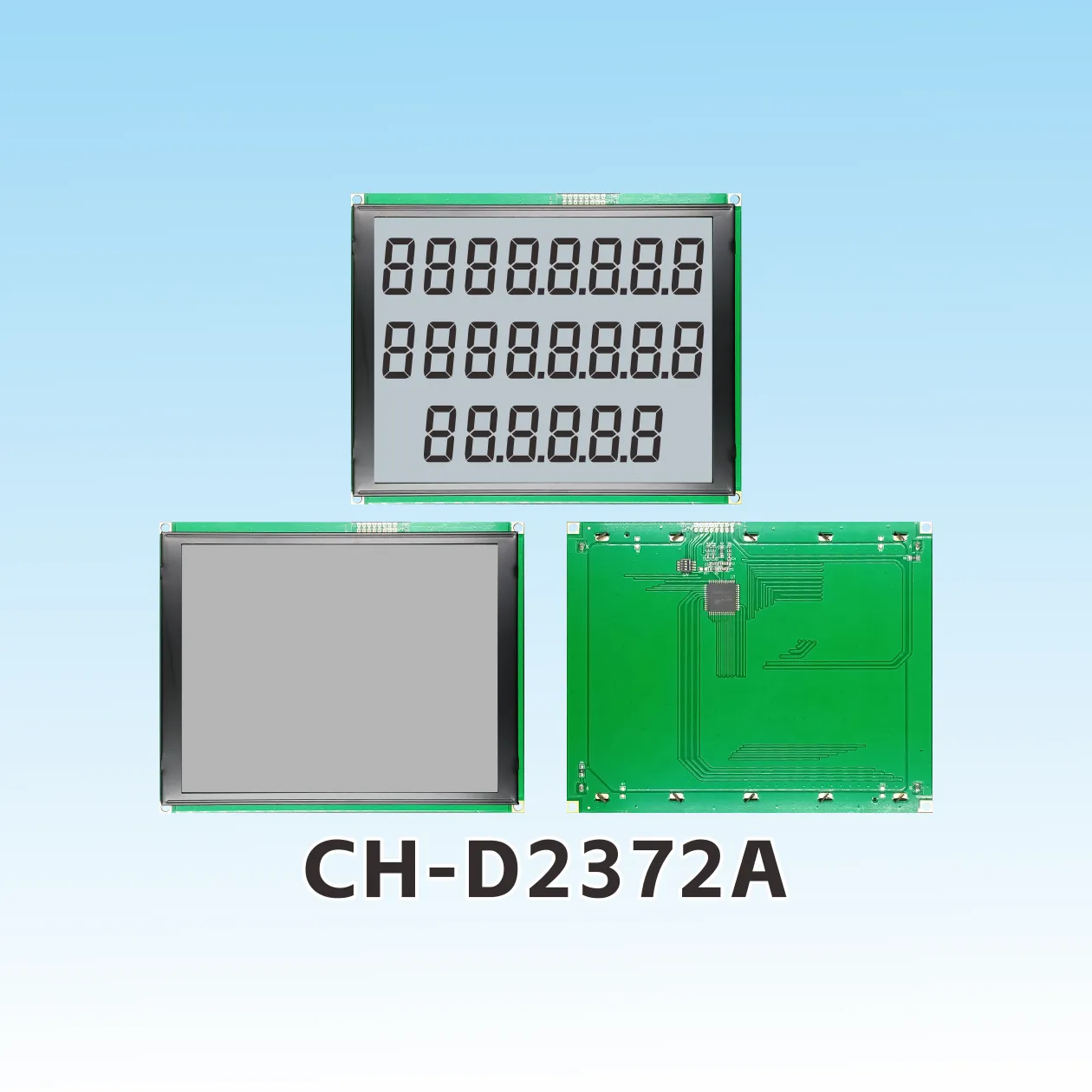
Unlike standard off-the-shelf components, custom displays require a Non-Recurring Engineering (NRE) investment upfront. You pay for photomasks, glass etching tooling, and polarizing film cutters before you ever hold a working sample in your hand.
If your vendor misinterprets your pinout, uses the wrong liquid crystal fluid, or miscalculates multiplex drive levels, your entire production schedule grinds to a halt. You must scrap the tooling and start over, losing four to six critical weeks.
Finding a reliable custom segment LCD display manufacturer is fundamentally an exercise in risk reduction. You want a manufacturing partner that catches design oversights before cutting glass, rather than discovering them on your test bench.
Do not rely solely on sales brochures when qualifying factories. Instead, evaluate candidate suppliers against these five objective engineering and operational criteria.
A dependable manufacturer acts as an extension of your own mechanical and electrical design teams. They should not just rubber-stamp your CAD file; they must actively check your layout for manufacturing feasibility.
The display sector contains hundreds of trading companies posing as direct factories. When you source a custom segment LCD display through an agent, you lose direct control over process parameters, cleanroom cleanliness, and line scheduling.
Ask prospective vendors directly about their in-house infrastructure. Reliable source manufacturers own and run their production equipment:
Direct manufacturers give you transparency into production queues. When line issues arise, their process engineers fix the problem immediately without intermediary delays.
A liquid crystal panel consists of micro-thin layers of glass, vacuum-injected chemical fluid, epoxy seals, and optical polarizers. Slight environmental contamination during assembly leads to black spots, uneven contrast, or premature seal failure.
Examine the supplier's cleanroom ratings and process testing methods. Reputable factories operate Class 1,000 or Class 100 cleanrooms for rubbing, alignment, and liquid crystal injection processes.
Furthermore, ensure the factory subjects prototype batches to real-world stress tests. They should provide test reports covering high-temperature and high-humidity storage, thermal shock cycling (-30°C to +80°C), vibration tolerance, and electrical continuity.
Cost transparency separates reliable manufacturers from opportunistic suppliers. Custom segment LCD tooling costs typically include photomask fabrication, cutting jigs, and engineering setup fees.
A trustworthy supplier itemizes these charges clearly and does not conceal recurring charges in future batch orders. Furthermore, you should expect realistic tooling lead times:
Beware of vendors promising custom samples in under five days. Rushing liquid crystal curing and polarizer lamination often yields internal air bubbles and unstable threshold voltages.
Industrial meters, telecom equipment, and medical devices often stay in active commercial production for seven to ten years. You cannot afford an unannounced driver IC obsolescence or sudden material change.
Verify that your display partner sources their liquid crystal mixtures, ITO glass sheets, and driver ICs from stable global material suppliers. They must provide formal Product Change Notifications (PCN) and End-of-Life (EOL) transition roadmaps well in advance.
Working with a structured manufacturer follows a defined development roadmap. Understanding these steps helps your engineering team prepare specifications efficiently.
The customization process starts with your mechanical packaging constraints. You define the physical outer dimensions (OD), viewing area (VA), and active display area (AA).
During this stage, select your preferred interconnect method:
The factory’s LCD layout engineers convert your segment artwork and iconography into an exact AutoCAD blueprint. This drawing defines segment groupings, COM (common) lines, SEG (segment) tracks, and polarizers.
Review this document thoroughly. Check every annunciator, decimal point, and trace width. Once your engineering department signs this drawing, the factory freezes the design and begins physical mask cutting.
The manufacturer creates glass masks, etches the ITO electrodes, and aligns the polyimide orientation layers. They assemble a pilot batch—typically 5 to 10 working engineering samples—and ship them to your lab along with optical measurement reports.
Your team mounts the samples in your physical housings, flashes firmware, and runs real-world optical checks. You verify segment brightness across your full operating voltage range and check legibility in bright light and total darkness.
Once you sign the formal Approval Sheet, the factory initiates mass wafer runs and schedules your volume shipments.
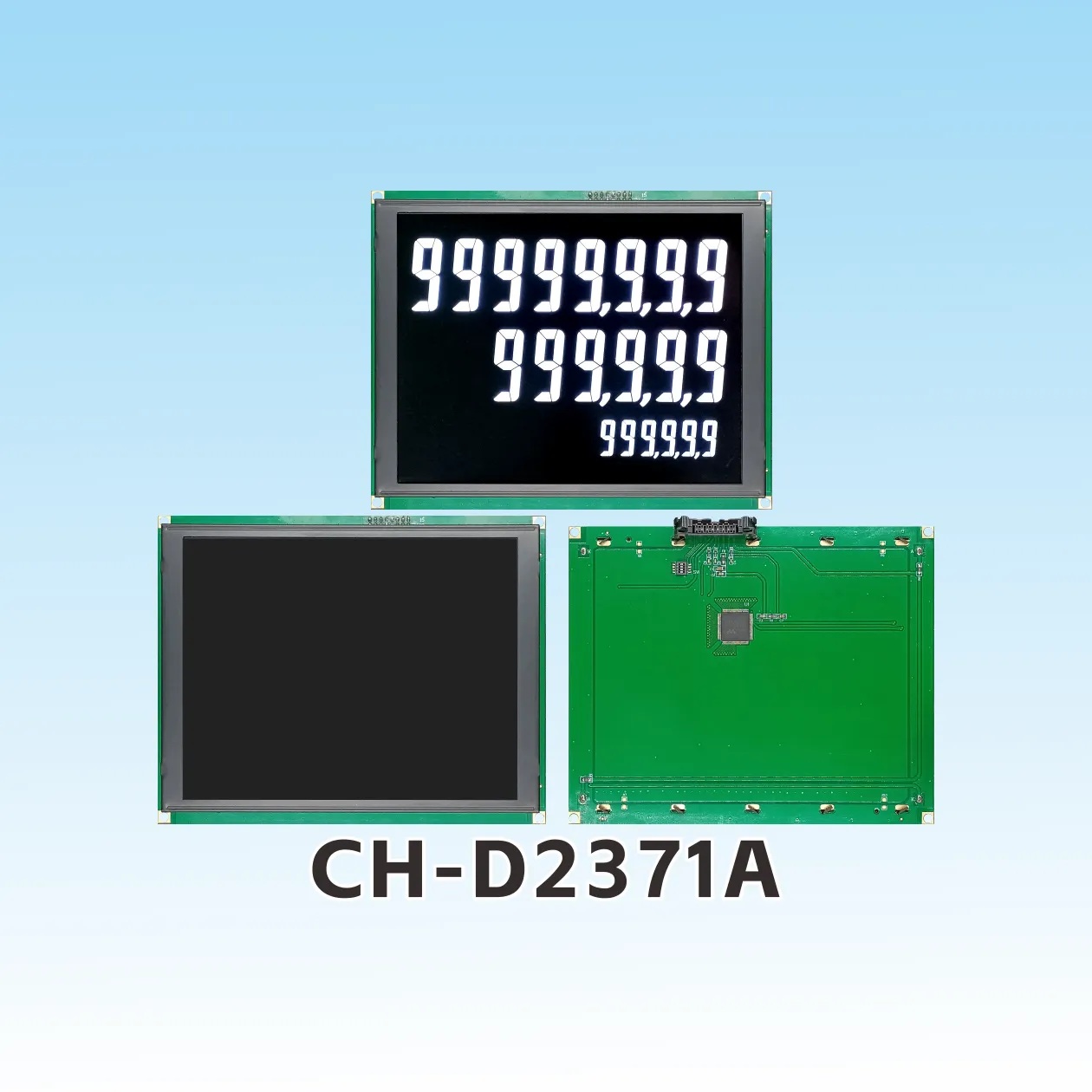
Finding a manufacturing partner that combines low unit costs with strict engineering precision can be difficult. Founded in 2011, Chuanhang Display brings over 13 years of specialized experience to monochrome LCD panels, segment modules, and TFT displays.
Operating a modern 5,000-square-meter facility with more than 100 skilled production workers, Chuanhang Display balances prototype agility with massive production capacity. Their in-house engineering team works directly with your hardware developers to turn rough panel layouts into production-ready CAD drawings within hours.
Chuanhang Display houses dedicated COG, FOG, SMT, and COPB assembly lines within controlled cleanrooms. By handling glass etching, module assembly, and backlight integration under one roof, they eliminate subcontractor markups and safeguard delivery timelines.
Whether you require standard TN numeric glass for water meters or high-contrast, wide-temperature FSTN panels for harsh industrial settings, Chuanhang Display provides turn-key development from drawing creation to volume delivery.
A1: Tooling for basic segment monochrome LCD glass typically ranges from $600 to $1,800, depending on the glass area, technology (TN vs. STN), and connection type. Complex modules that require custom backlights or dedicated SMT printed circuit boards may carry higher tooling fees to cover injection molding and PCB photoplotting.
A2: Most direct factories deliver working engineering prototypes within 10 to 15 business days after formal drawing approval. Mass production typically requires 3 to 4 weeks following sample validation, depending on raw material stock and overall order quantity.
A3: These designations describe the twist angle of the internal liquid crystal molecules. TN (Twisted Nematic, 90° twist) offers the lowest cost and fast response times but narrower viewing angles. HTN (110° twist) improves viewing angles slightly at minimal extra cost. STN (Super Twisted Nematic, 180°–240° twist) delivers superior multiplex drive performance and sharp contrast. FSTN adds a film retarder to eliminate yellow-green or blue color casts, yielding sharp, high-contrast black-and-white displays for medical and premium industrial instruments.
A4: Choose metal pins if you want durable through-hole mounting that your team can assemble or service by hand. Select elastomeric zebra rubber strips when designing thin enclosures where metal pins would consume too much vertical clearance. Choose FPC (Flexible Printed Circuit) cables when your display panel must sit in a movable bezel or mount at an angle relative to your main motherboard.
A5: You can make modifications, but changes made after tooling begins require new photomasks. Altering your icon layout, segment dimensions, or pin assignments after glass etching starts incurs partial or complete re-tooling costs and resets the sample lead time. Always perform a rigorous internal review before giving final drawing approval.
A dependable display supplier protects your development timeline, stabilizes your bill of materials, and guarantees consistent field performance. Taking the time to evaluate a factory’s in-house equipment, engineering responsiveness, and quality controls prevents expensive field recalls down the line.
Do not let display delays stall your product launch. Contact the engineering team at Chuanhang Display today to discuss your target specifications, submit your pinout requirements, and receive a competitive quote on your custom segment LCD display.