The persistence of the character LCD in the industrial electronics sector is a testament to its reliability, low power consumption, and cost-effectiveness. While high-resolution graphical displays have become common in consumer electronics, the alphanumeric character module remains the backbone of medical devices, industrial controllers, and telecommunications hardware. This technical analysis explores the architectural nuances of these displays and the strategic advantages of implementing a custom lcd solution for specific OEM requirements.
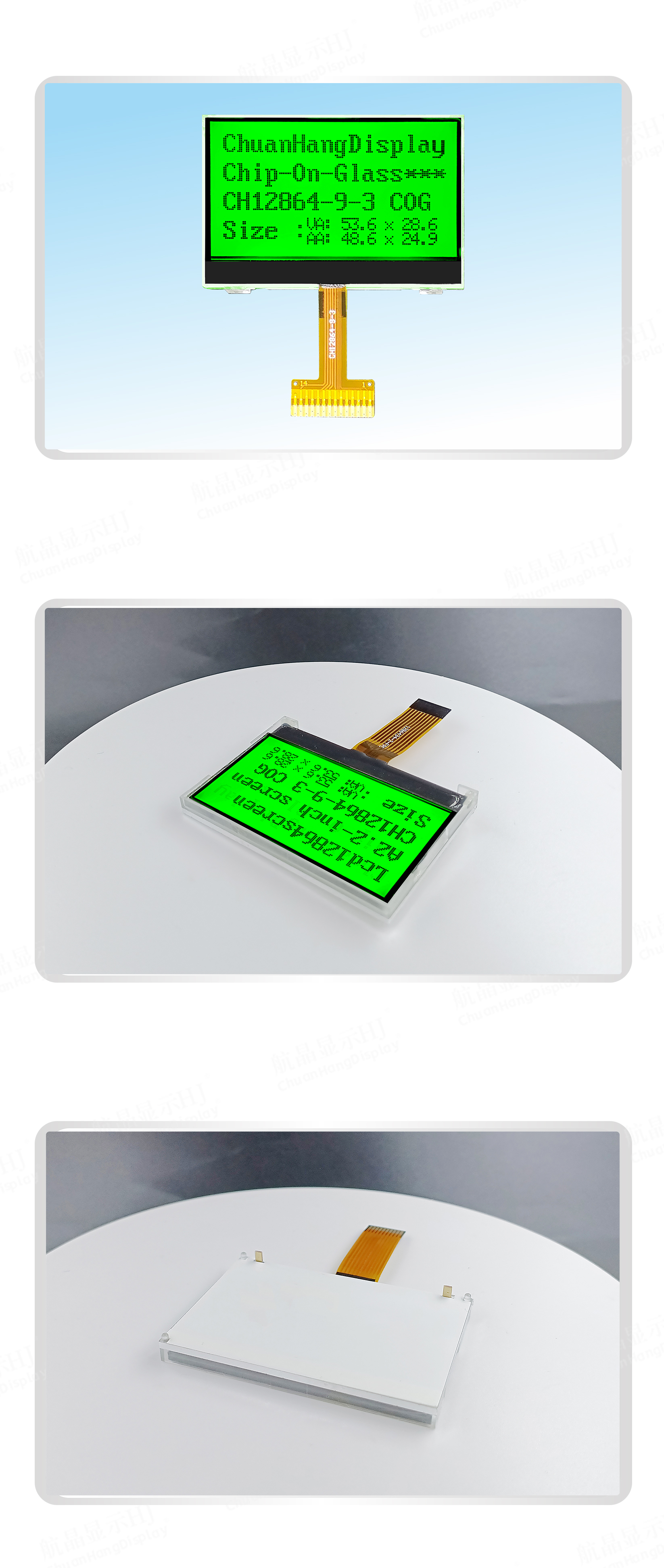
At the heart of every character display is the liquid crystal layer, which determines the optical performance, viewing angles, and contrast ratio. Understanding these materials is necessary for engineers selecting a display for harsh environments.
TN panels are the most common and cost-effective. They offer a fast response time but suffer from limited viewing angles. In a B2B context, TN technology is typically reserved for simple handheld devices where the user views the screen from a direct, perpendicular angle.
STN technology employs a higher twist angle (typically 180 to 270 degrees), which significantly improves the contrast and broadens the viewing angle compared to TN. This is the industry standard for most industrial character LCD applications. STN modules are available in various color modes, including Yellow-Green, Blue, and Gray.
For high-end instrumentation, FSTN adds a compensation film to the STN structure to eliminate the color tint, resulting in a sharp black-on-white or white-on-black appearance. This provides the highest contrast and best readability among traditional passive-matrix displays. Professional manufacturers like Chuanhang Display often recommend FSTN for medical equipment where data legibility is a primary safety requirement.
Most alphanumeric modules are built around the Hitachi HD44780 controller or its modern equivalents (such as the Sitronix ST7066). This standardization allows for seamless integration across different hardware platforms.
Instruction Set: The controller manages the display RAM (DDRAM), character generator ROM (CGROM), and character generator RAM (CGRAM). The CGROM contains the standard ASCII character set, while the CGRAM allows engineers to define up to eight unique symbols.Interface Options: The standard parallel interface uses an 8-bit or 4-bit data bus. For modern systems with limited GPIO pins, many custom lcd designs incorporate an I2C or SPI bridge chip to simplify connectivity.Voltage and Power: While 5V was the historical standard, most modern modules operate at 3.3V, aligning with the logic levels of contemporary microcontrollers like the STM32 or ESP32.
While off-the-shelf 16x2 or 20x4 modules are readily available, many industrial projects require a custom lcd to meet specific mechanical or optical constraints. Customization is not limited to the glass size; it extends to the entire assembly.
Beyond standard character matrices, a custom lcd can include static icons (e.g., battery levels, signal strength, or specific unit measurements like PSI or Bar). This hybrid approach combines the flexibility of alphanumeric text with the instant recognizability of fixed segments.
The backlight is often the most power-hungry component. Customizing the LED array—choosing between edge-lit and bottom-lit configurations—can optimize the brightness-to-power ratio. Furthermore, selecting specific wavelengths (such as amber or red) can satisfy requirements for night-vision compatibility or specialized laboratory environments.
A custom lcd allows for tailored FPC (Flexible Printed Circuit) lengths, specific connector types (ZIF or through-hole), and specialized bezel materials. Chuanhang Display specializes in these modifications, ensuring that the display fits perfectly within the physical confines of a proprietary housing without requiring expensive chassis redesigns.
In industrial B2B sectors, the longevity of the display is often more important than its resolution. Several factors influence the lifespan of a character LCD.
Reflective: Uses ambient light. Perfect for outdoor use under direct sunlight, but unreadable in the dark.Transmissive: Requires a backlight to be visible. Offers high brightness but consumes more power.Transflective: The "best of both worlds" solution. It reflects ambient light while allowing the backlight to pass through, ensuring readability in all lighting conditions.
Standard consumer displays often fail at freezing temperatures or high heat. Industrial-grade modules must support an extended temperature range, typically from -20°C to +70°C. In extreme cases, wide-temperature fluids and heaters can be integrated into a custom lcd to allow operation down to -40°C.
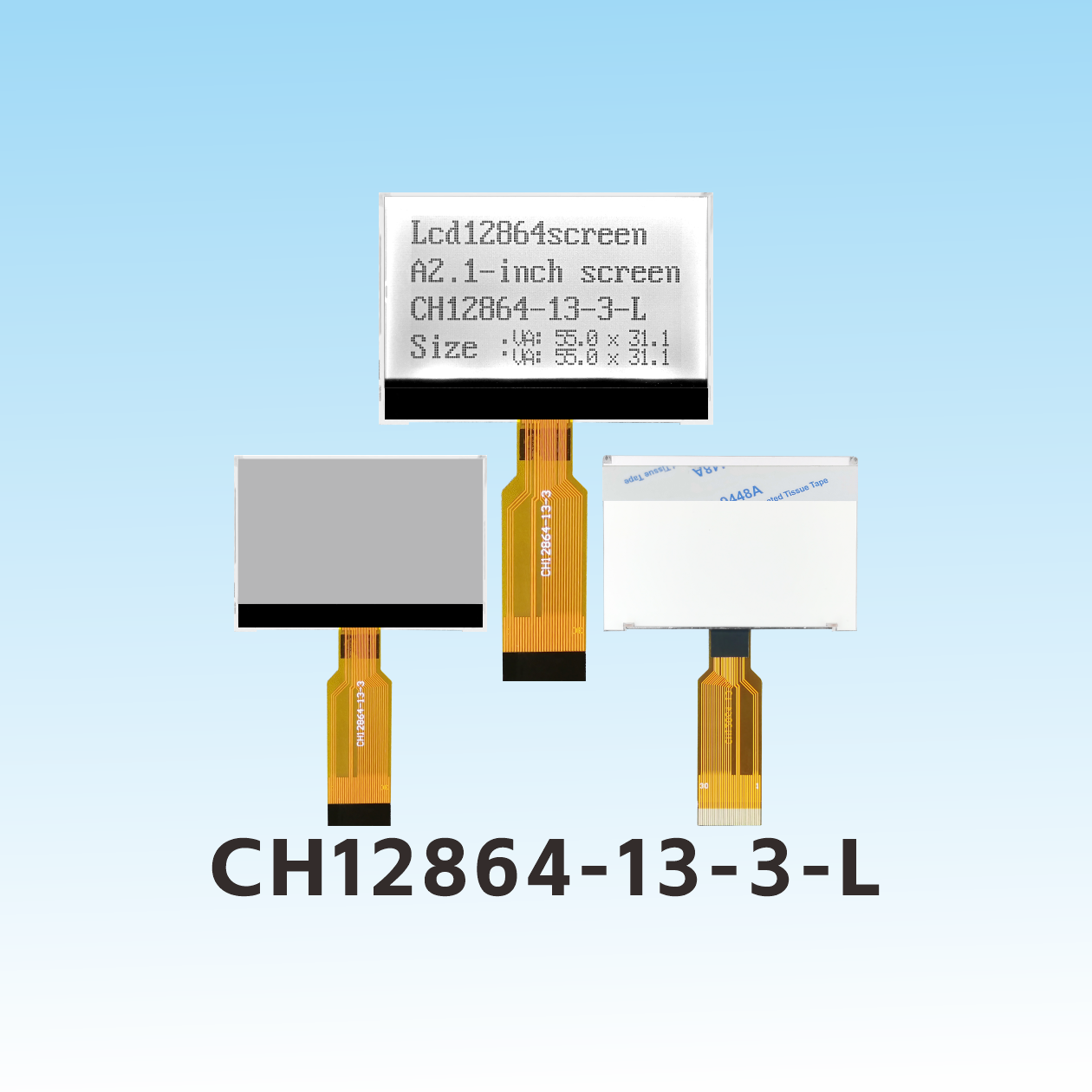
The production of a reliable character LCD involves high-precision cleanroom environments. The process begins with the ITO (Indium Tin Oxide) coating on glass substrates, followed by the photolithography of the electrode patterns.
Chuanhang Display employs rigorous testing protocols, including:
High-Temperature/High-Humidity Soaking: To test for polarizer delamination and liquid crystal degradation.Vibration and Shock Testing: To ensure the COB (Chip-on-Board) or COG (Chip-on-Glass) bonding remains intact during industrial operation.Optical Inspection: Automated systems check for "voids" in the liquid crystal or "shorts" in the segments.
For a project requiring a custom lcd, the NRE (Non-Recurring Engineering) phase is vital. This involves the creation of custom photomasks and tooling. A professional supplier will provide a detailed counter-drawing and samples for validation before mass production begins.
When sourcing a custom lcd, the total cost of ownership (TCO) should be the primary metric, rather than just the unit price. A cheaper module that fails in the field will result in high warranty costs and brand damage.
Glass Size and Complexity: Larger glass or more complex segment counts increase the price.Backlight Chemistry: High-brightness LEDs with long half-lives (50,000 hours+) carry a premium.IC Choice: Using original controllers vs. "compatible" clones affects both price and long-term stability.MOQ (Minimum Order Quantity): While standard modules have low MOQs, a custom lcd typically requires a commitment of 500 to 1,000 units to offset tooling costs.
The lead time for a custom lcd usually ranges from 4 to 6 weeks for samples and an additional 6 to 8 weeks for mass production. Engineers must factor these timelines into their product development cycles to avoid delays.
Integrating a character LCD into a modern IoT ecosystem presents unique challenges. Electromagnetic Interference (EMI) is a common issue when displays are placed near wireless modules. Using shielded cables or grounding the metal bezel is a necessary step in the design phase.
Furthermore, software optimization is required to manage the refresh rate. Writing to the display too frequently can cause flickering, while too slow a refresh rate makes the UI feel unresponsive. Implementing a "dirty bit" buffer system, where only changed characters are updated, is a sophisticated way to manage I/O overhead.
While OLED and TFT technologies continue to advance, the character LCD remains relevant due to its unmatched power efficiency and legibility in high-ambient-light environments. Innovations in VA (Vertical Alignment) technology have brought "true black" backgrounds and ultra-high contrast to the character format, bridging the gap between old-school reliability and modern aesthetics.
For B2B buyers, the focus remains on consistency. Working with a dedicated partner like Chuanhang Display ensures that the display components used today will be available for the next 5 to 10 years, which is a fundamental requirement for industrial product lifecycles.
Whether you are designing a simple power meter or a complex medical ventilator, the decision between a standard module and a custom lcd will significantly impact your product's final performance and user experience. By focusing on technical specifications—from the liquid crystal mode to the controller logic—engineers can ensure their interface remains robust, readable, and cost-effective for years to come.
Q1: What is the main advantage of using a custom lcd over a standard character LCD module?
A1: A custom lcd allows you to tailor the dimensions, pinouts, and icons to your specific product. This eliminates the need for mechanical workarounds and allows for a more intuitive user interface by including specific functional icons that a standard alphanumeric display cannot show.
Q2: Can a character LCD operate in sub-zero temperatures?
A2: Yes, but you must specify an "Extended Temperature" or "Wide Temperature" range during the design phase. Standard liquid crystals become viscous and slow at low temperatures. A custom lcd designed for cold environments uses specialized fluids and often includes an integrated heater to maintain a fast response time at temperatures as low as -40°C.
Q3: How does the interface of a custom lcd differ from standard 16x2 modules?
A3: While many follow the standard 4-bit/8-bit parallel protocol, a custom lcd can be designed with modern interfaces like I2C or SPI. This reduces the number of required pins on your microcontroller from 11 down to just 2 or 3, simplifying the PCB layout.
Q4: What is the typical lifespan of the backlight in a character LCD?
A4: Most industrial-grade LED backlights have a half-life (the time it takes for brightness to drop to 50%) of 30,000 to 50,000 hours. This lifespan can be extended by using PWM (Pulse Width Modulation) to dim the backlight when the device is idle or by implementing a "sleep mode" in the software.
Q5: Are custom lcd tools and NRE fees expensive?
A5: For a monochrome character LCD, NRE fees are surprisingly affordable, usually ranging from $500 to $2,000 depending on the complexity. This is a one-time investment that covers the design of the photomask and the creation of the molding for the plastic bezel or backlight.
Q6: What is the difference between COB and COG construction?
A6: COB (Chip-on-Board) involves mounting the controller IC on a PCB attached to the back of the LCD. It is robust and easy to mount. COG (Chip-on-Glass) places the IC directly on the glass substrate, making the display much thinner and lighter, which is ideal for compact handheld devices.