Have you ever wondered how the vibrant screens on your smartphones, laptops, and televisions come to life? At the heart of these everyday marvels are TFT LCD manufacturers, the unsung heroes driving the display technology that powers our digital world. TFT LCD, or Thin-Film Transistor Liquid Crystal Display, represents a cornerstone of modern electronics, offering sharp images, energy efficiency, and versatility. As demand for high-quality displays surges across industries—from consumer electronics to automotive and medical devices—understanding the role of TFT LCD manufacturers becomes essential. These entities not only produce the panels but also innovate to meet evolving market needs, ensuring that devices are smarter, thinner, and more reliable. In this article, we dive deep into five key aspects that define TFT LCD manufacturers, shedding light on their processes, challenges, and impact. Whether you're a tech enthusiast, a business decision-maker, or simply curious, this exploration will provide valuable insights into an industry that touches nearly every aspect of modern life. So, let's unravel the layers behind TFT LCD manufacturers and discover what makes them indispensable in today's tech-driven era.
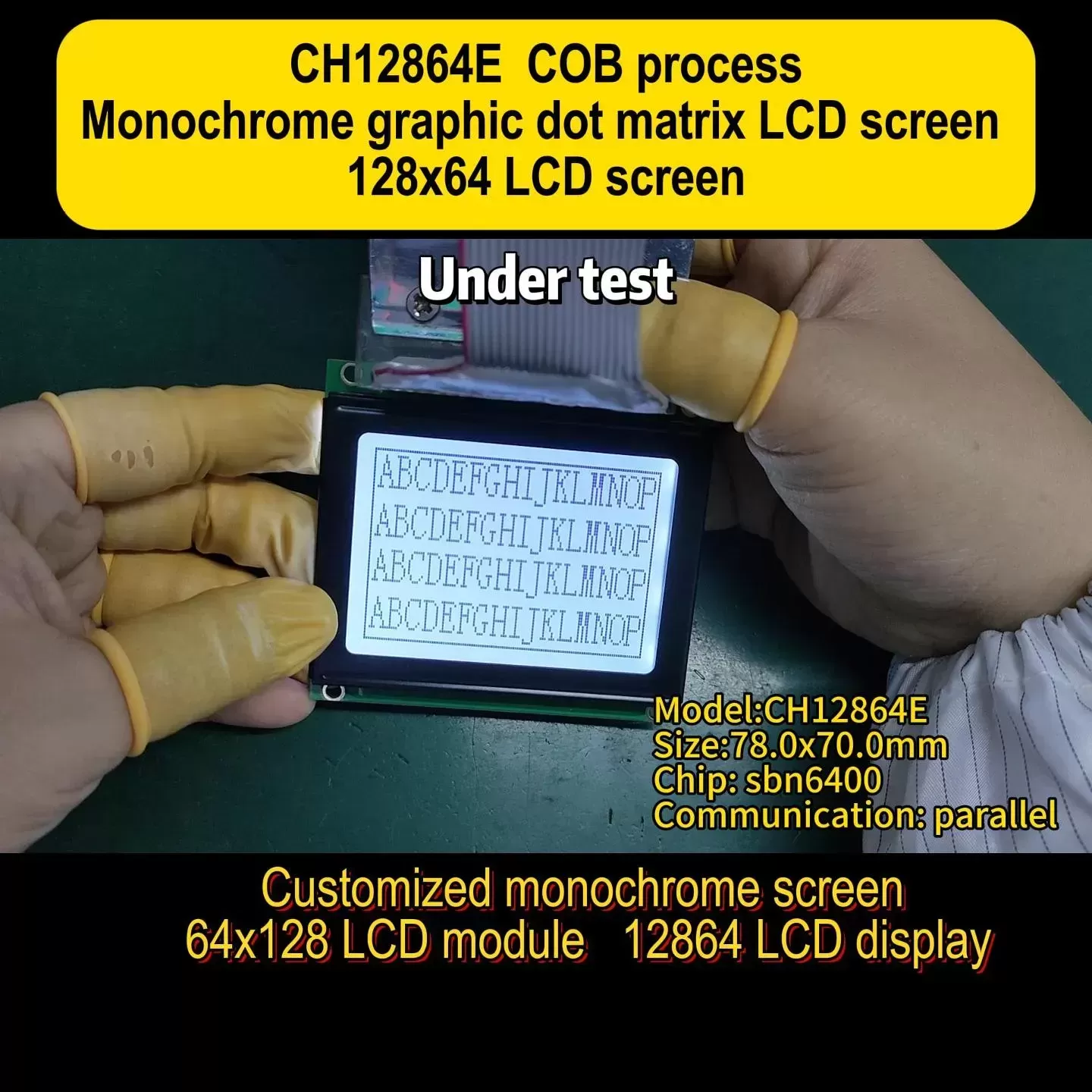
TFT LCD manufacturers are specialized companies that design, produce, and distribute thin-film transistor liquid crystal displays, which are widely used in devices requiring high-resolution screens. These manufacturers operate in a highly competitive global market, characterized by rapid technological advancements and stringent quality demands. The core of their operations revolves around creating displays that offer superior color accuracy, fast response times, and low power consumption. TFT LCD manufacturers typically serve diverse sectors, including consumer electronics, industrial equipment, and healthcare, adapting their products to specific applications like touchscreens or outdoor displays. What sets these manufacturers apart is their integration of research and development with mass production capabilities. They invest heavily in innovation to stay ahead, focusing on areas like OLED integration and flexible displays. Moreover, TFT LCD manufacturers must navigate supply chain complexities, from sourcing raw materials like glass substrates and liquid crystals to managing logistics for global distribution. This aspect underscores their role not just as producers but as pivotal players in the tech ecosystem, driving trends and setting standards that influence entire industries. By understanding this definition, one can appreciate how TFT LCD manufacturers balance scale with specialization to meet the ever-growing demand for advanced display solutions.
The production process employed by TFT LCD manufacturers is a meticulous, multi-stage endeavor that ensures each display meets exacting performance standards. It begins with the fabrication of thin-film transistors on a glass substrate, where layers of semiconductor materials are deposited and patterned to form the electronic controls for each pixel. This stage involves photolithography and etching techniques, similar to those used in semiconductor manufacturing, to create the intricate circuitry that drives the display. Next, TFT LCD manufacturers assemble the liquid crystal layer, sandwiching it between two glass plates along with color filters and alignment layers. This step is critical for achieving accurate color reproduction and wide viewing angles. The process continues with the integration of backlighting systems, which provide the illumination necessary for visibility, often using LED technology for energy efficiency. Throughout these stages, TFT LCD manufacturers implement rigorous testing protocols, including visual inspections and electrical performance checks, to detect defects and ensure consistency. Advanced automation and cleanroom environments are standard in these facilities to minimize contamination and enhance precision. By mastering this complex process, TFT LCD manufacturers can produce displays that are not only functional but also durable and adaptable to various form factors, from small smartwatch screens to large-format digital signage. This attention to detail highlights why the manufacturing process is a cornerstone of their success, enabling them to deliver products that power everything from everyday gadgets to critical medical devices.
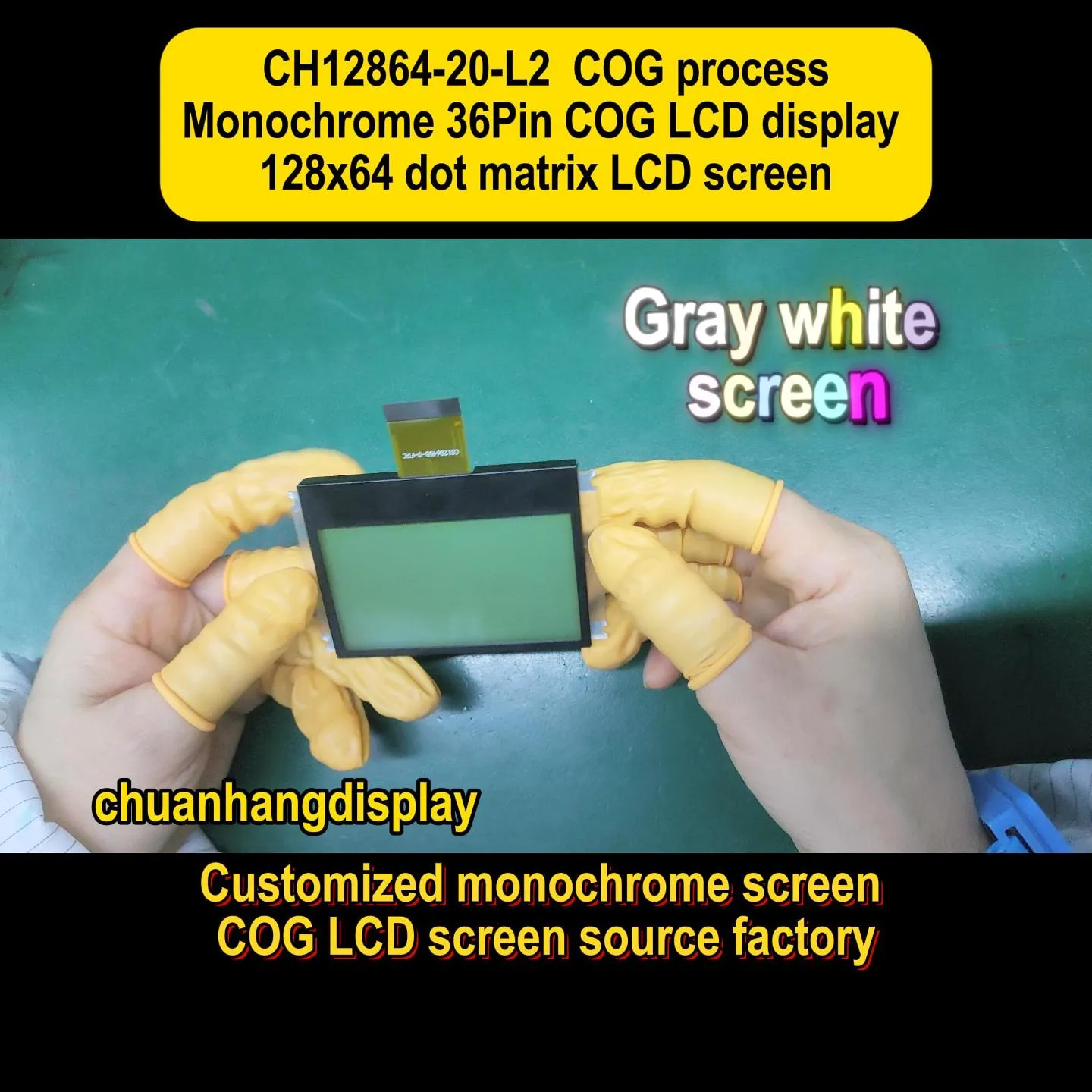
Quality assurance is a non-negotiable priority for TFT LCD manufacturers, as even minor defects can lead to display failures or reduced lifespan. These manufacturers adhere to international standards, such as ISO 9001 for quality management and ISO 14001 for environmental compliance, to ensure their processes are both reliable and sustainable. The quality control cycle starts with raw material inspection, where components like glass, polarizers, and liquid crystals are tested for purity and performance. During production, TFT LCD manufacturers employ automated optical inspection systems to scan for imperfections like dead pixels, Mura effects (uneven brightness), or electrical faults. Environmental testing is also crucial, with displays subjected to extremes of temperature, humidity, and mechanical stress to simulate real-world conditions. This helps TFT LCD manufacturers guarantee that their products can withstand the rigors of daily use in various applications, from automotive dashboards to outdoor kiosks. Additionally, many TFT LCD manufacturers implement statistical process control methods to monitor production lines in real-time, allowing for immediate corrections and continuous improvement. By focusing on quality, these manufacturers not only reduce waste and costs but also build trust with clients who rely on consistent, high-performance displays. This commitment to excellence is what enables TFT LCD manufacturers to maintain their reputation in a market where reliability can make or break a product's success.
Despite their technological prowess, TFT LCD manufacturers encounter several significant challenges that test their resilience and adaptability. One major issue is the intense competition from alternative display technologies, such as OLED and MicroLED, which offer advantages like better contrast and flexibility. This forces TFT LCD manufacturers to innovate continuously, often by enhancing their products with features like higher refresh rates or improved energy efficiency. Another challenge is the volatility in the supply chain, particularly for critical materials like indium tin oxide (used in transparent electrodes) and specialty chemicals. Geopolitical tensions and trade disruptions can lead to shortages or price spikes, impacting production schedules and profitability. TFT LCD manufacturers also grapple with environmental regulations, as the manufacturing process involves hazardous substances and high energy consumption. Many are investing in greener practices, such as recycling programs and energy-efficient facilities, to comply with global sustainability goals. Additionally, the rapid pace of technological change means that TFT LCD manufacturers must keep up with evolving consumer demands, such as the shift toward foldable displays or augmented reality applications. This requires substantial R&D investments and agile production lines. By addressing these challenges head-on, TFT LCD manufacturers demonstrate their ability to navigate a complex landscape, ensuring they remain relevant in an industry defined by constant transformation. Understanding these hurdles provides insight into the strategic decisions that shape their operations and long-term viability.
Choosing the right TFT LCD manufacturers is a critical decision for businesses that depend on high-quality displays for their products. The evaluation process should begin with an assessment of the manufacturer's technical capabilities, including their experience in producing displays for your specific industry—whether it's consumer electronics, automotive, or medical devices. Look for TFT LCD manufacturers with a proven track record of innovation and customizability, as this indicates they can tailor solutions to your unique requirements. Next, consider their production capacity and scalability; reliable TFT LCD manufacturers should be able to handle both small prototype runs and large-volume orders without compromising on quality. It's also essential to review their quality assurance certifications and testing protocols, as discussed earlier, to ensure consistency and reliability. Another factor is supply chain stability; top TFT LCD manufacturers have robust sourcing strategies and contingency plans to mitigate risks from material shortages or logistical issues. Additionally, evaluate their customer support and after-sales services, such as technical assistance and warranty offerings. By conducting site visits or virtual audits, you can gain firsthand insight into their operations and culture. Ultimately, selecting the right TFT LCD manufacturers involves balancing cost with value—opting for those who offer competitive pricing while maintaining high standards. This careful approach helps forge partnerships that drive product success and foster long-term collaboration in a dynamic market.
The future of TFT LCD manufacturers is poised at an exciting crossroads, shaped by emerging technologies and shifting market dynamics. While newer displays like OLED gain traction, TFT LCD manufacturers are not standing still; they are leveraging advancements in materials science and manufacturing techniques to enhance their offerings. For instance, developments in quantum dot integration and mini-LED backlighting are enabling TFT LCDs to achieve color gamuts and contrast ratios that rival more expensive alternatives. Moreover, TFT LCD manufacturers are exploring applications in emerging fields such as the Internet of Things (IoT), smart homes, and electric vehicles, where durable, cost-effective displays are in high demand. Sustainability is another key trend, with many TFT LCD manufacturers adopting circular economy principles by reducing waste and using eco-friendly materials. This not only aligns with global environmental standards but also appeals to eco-conscious consumers. Additionally, the rise of regional manufacturing hubs, particularly in Asia, is helping TFT LCD manufacturers optimize costs and reduce lead times, though this also requires navigating local regulations and labor markets. As artificial intelligence and automation become more prevalent, TFT LCD manufacturers are investing in smart factories that improve efficiency and yield. By staying agile and forward-thinking, TFT LCD manufacturers are well-positioned to maintain their relevance, driving innovation that meets the needs of tomorrow's connected world. This outlook underscores their enduring role in the display industry, proving that with adaptation, they can thrive amid change.
Q1: What are the primary advantages of working with specialized TFT LCD manufacturers?
A1: Specialized TFT LCD manufacturers offer expertise in producing high-quality displays with consistent performance, customizability for specific applications, and access to advanced technologies. They ensure reliability through rigorous testing and often provide better support for innovation and scalability compared to general electronics suppliers.
Q2: How do TFT LCD manufacturers address environmental concerns in their processes?
A2: TFT LCD manufacturers implement eco-friendly practices such as using lead-free materials, reducing energy consumption via efficient backlighting, and adopting recycling programs for waste. Many comply with international standards like RoHS and REACH to minimize their environmental footprint and promote sustainability.
Q3: What factors influence the cost of displays from TFT LCD manufacturers?
A3: The cost is affected by display size, resolution, production volume, and customization requirements. Additionally, material costs, labor, and R&D investments play a role. TFT LCD manufacturers often offer competitive pricing by optimizing production scales and leveraging economies of scale.
Q4: Can TFT LCD manufacturers produce displays for extreme environments?
A4: Yes, many TFT LCD manufacturers design displays to withstand harsh conditions, such as wide temperature ranges, high humidity, or vibrations, by using ruggedized components and enhanced sealing techniques. This makes them suitable for automotive, industrial, and outdoor applications.
Q5: How is the TFT LCD manufacturing industry adapting to competition from newer technologies?
A5: TFT LCD manufacturers are innovating by integrating features like higher refresh rates, improved color accuracy, and hybrid technologies (e.g., combining with OLED elements). They also focus on cost-effectiveness and reliability to maintain their market share in segments where these attributes are prioritized.