A 128x64 graphic LCD display is a common component in many electronic devices. It offers a resolution of 128 pixels horizontally and 64 pixels vertically. This display type is valued for its ability to show graphics, text, and icons clearly. In this article, we will examine its features, uses, and advantages. We will also provide practical advice for selection and integration. This information is useful for engineers, designers, and hobbyists working in the global LCD industry.
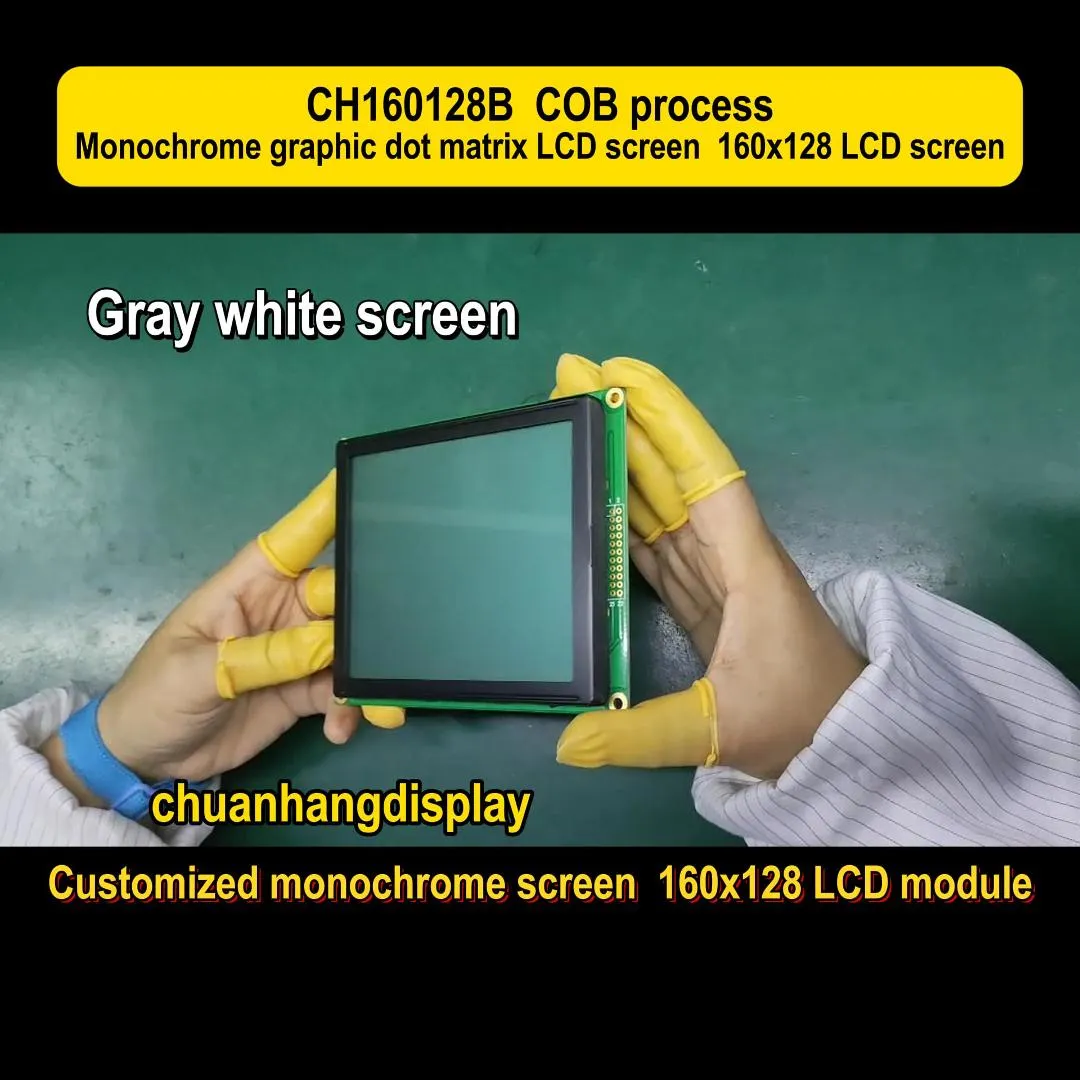
A 128x64 graphic LCD display is a monochrome liquid crystal display. It can render images and characters pixel by pixel. This makes it suitable for interfaces requiring detailed graphics.
These displays consist of a grid of pixels controlled by a driver IC. Each pixel can be turned on or off to create images. The technology relies on liquid crystals that modulate light.
Pixel matrix: 128 columns by 64 rows.
Typically uses STN or FSTN LCD types for better contrast.
Operates with a controller like KS0108 or compatible chips.
The 128x64 resolution provides a balanced area for information display. It is higher than basic character LCDs but remains cost-effective. This resolution supports:
Simple graphics and charts.
Multiple lines of text.
Icons and symbols for user interfaces.
Understanding the specifications helps in proper implementation. A 128x64 graphic LCD display comes with various technical parameters.
Physical size varies, but common dimensions are around 70mm x 40mm. Viewing area is typically smaller, focusing on the active pixel region. This compact size fits many portable devices.
These displays are known for low power consumption. They often operate at 3.3V or 5V DC. Key electrical features include:
Low current draw, ideal for battery-powered systems.
Wide operating temperature range, from -20°C to 70°C.
Integrated backlight options, such as LED or EL.
The versatility of a 128x64 graphic LCD display makes it popular across sectors. It serves as a reliable interface for many devices.
In industrial settings, these displays show machine parameters and alerts. They are used in PLCs, CNC machines, and measurement tools. Their durability suits harsh factory environments.
Medical equipment like patient monitors and diagnostic tools use this display. It presents vital signs and graphs clearly. The high contrast ensures readability in different lighting conditions.
Handheld devices, such as multimeters and data loggers, benefit from this display. Its low power extends battery life. The resolution allows for detailed data presentation.
Choosing a 128x64 graphic LCD display offers several advantages. These benefits explain its widespread adoption.
LCD technology consumes minimal power compared to other display types. This efficiency is crucial for portable and remote applications. It helps reduce overall system energy costs.
These displays perform well under extreme temperatures and humidity. They resist vibration and shock in industrial uses. Long lifespan reduces maintenance needs.
Selecting the right 128x64 graphic LCD display requires careful consideration. Key factors ensure compatibility and performance.
Displays support parallel or serial interfaces. Parallel interfaces offer faster data transfer. Serial interfaces like SPI or I2C save microcontroller pins.
Check controller compatibility with your MCU.
Consider interface speed for real-time updates.
Ensure driver libraries are available for software development.
Assess the operating conditions of your application. Factors include temperature, humidity, and exposure to sunlight. Choose displays with appropriate ratings for reliability.

Proper integration of a 128x64 graphic LCD display ensures optimal functionality. Follow these guidelines for smooth implementation.
Connect power and data lines according to the datasheet. Use decoupling capacitors to stabilize power supply. Ensure backlight circuits are correctly wired to avoid damage.
Implement software drivers to control the display. Many open-source libraries exist for popular platforms like Arduino. Test graphics routines to verify pixel accuracy.
The 128x64 graphic LCD display is a versatile and efficient solution for many electronic projects. Its balance of resolution, power efficiency, and durability makes it a preferred choice. When selecting a display, consider specifications, interfaces, and environmental factors. For reliable components, explore options from Chuanhang Display, a trusted provider in the LCD industry. This display continues to play a key role in advancing device interfaces globally.
A1: Most 128x64 graphic LCD displays operate at 3.3V or 5V DC. Always refer to the datasheet for specific voltage requirements to ensure proper functionality and avoid damage.
A2: Yes, but choose models with high-brightness backlights and wide temperature ranges. Some displays are designed for outdoor use with enhanced visibility and weather resistance.
A3: You can use parallel or serial interfaces like SPI or I2C. Connect the display pins to the microcontroller as per the datasheet, and use compatible software libraries for control.
A4: STN (Super Twisted Nematic) offers good contrast at wider viewing angles. FSTN (Film Compensated STN) provides higher contrast and better readability by adding a compensation film.
A5: You can source them from reputable suppliers like Chuanhang Display. They offer a range of options with technical support for various applications.