Within the intricate ecosystem of a modern LCD screen, numerous components work silently to deliver a sharp, responsive image. One critical yet often overlooked element is the cog module. This integrated component serves as a vital link between the display's control electronics and the glass panel itself. Its primary role is to manage the precise timing and delivery of signals that command each individual pixel. In high-performance displays from manufacturers like Chuanhang Display, the quality and design of the cog module directly influence the visual outcome. It impacts factors such as screen responsiveness, clarity, and overall reliability. Understanding this module is key to appreciating the engineering behind today's advanced liquid crystal technology.
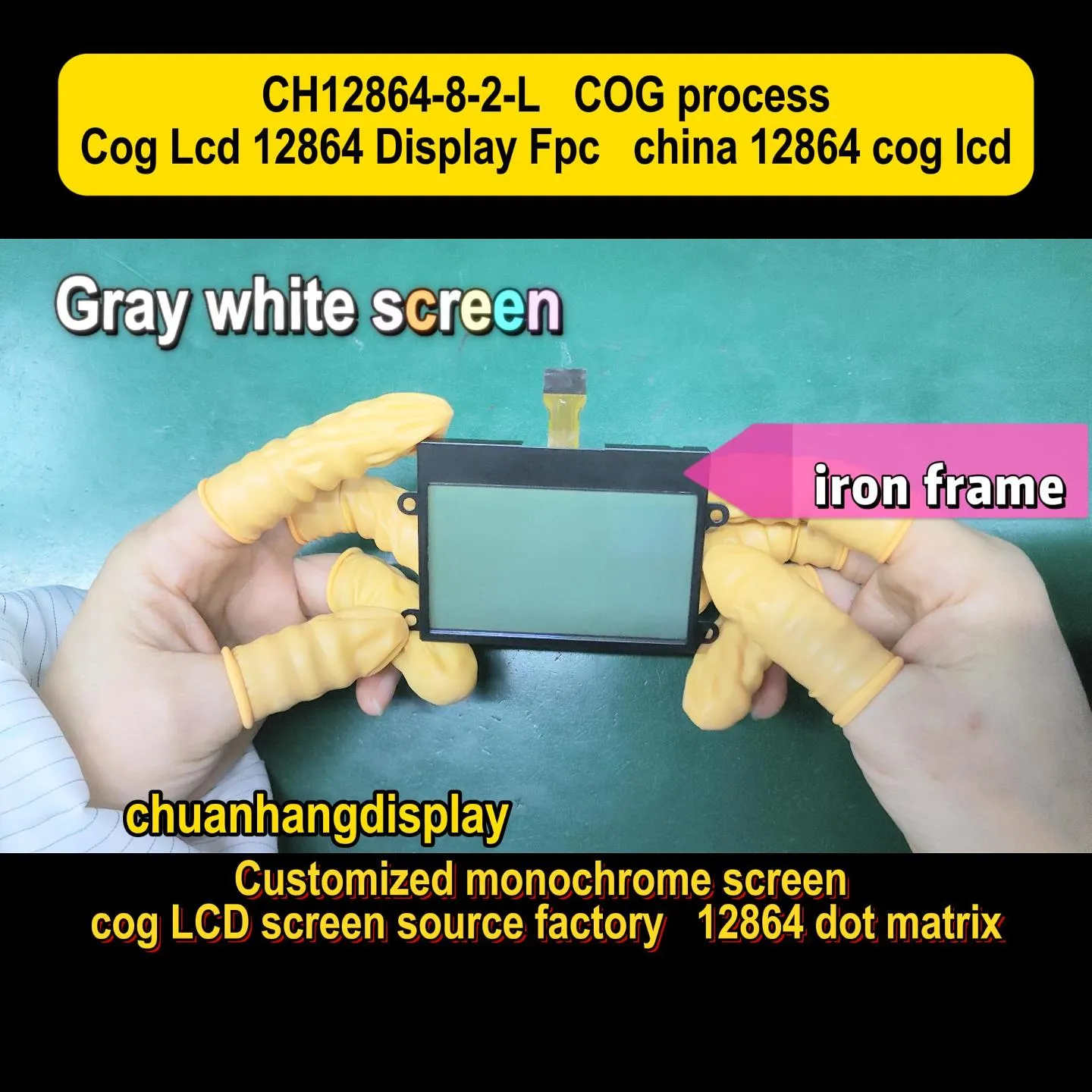
At its core, an LCD requires precise electrical control to twist its liquid crystals and modulate light. The cog module is central to this process. It acts as a specialized interface and driver circuit.
Core Functions of the Module
The cog module performs several non-negotiable tasks. It receives low-voltage data and timing signals from the display's main controller. Then, it amplifies and processes these signals into the specific voltage levels required by the thin-film transistors (TFTs) on the panel. It also manages critical sequencing to ensure rows and columns of pixels are addressed in the correct order without interference.
Integration with the Display Panel
Physically, the cog module is often attached directly to the glass substrate of the LCD panel using a technique like Chip-On-Glass (COG) bonding. This direct attachment offers significant benefits:
This integration is a standard practice in the industry for creating sleek, reliable displays.
Not all cog modules are created equal. The choice of this component significantly affects the end performance of the display unit. Manufacturers that prioritize quality, such as Chuanhang Display, source or design cog modules that deliver tangible benefits.
Improved Signal Integrity and Speed
A well-engineered module ensures clean, fast signal transmission. This translates directly to:
Enhanced Display Reliability and Longevity
The module's stability is paramount. A robust cog module operates consistently across a wide temperature range and resists electrical stress. This reduces the risk of screen artifacts, line defects, or complete failure over the product's lifespan. Reliable modules are a cornerstone of durable industrial and commercial displays.
Enabling Slimmer and More Efficient Designs
Modern COG packaging allows the module to be extremely small. This contributes to the trend of ever-thinner bezels and compact form factors. Efficient modules also consume less power, a crucial advantage for battery-powered portable devices. The design choices made here directly enable the sleek profiles we see in today's products.
The requirements for a cog module vary depending on the display's ultimate use. A one-size-fits-all approach does not work in the specialized field of液晶.
Consumer Electronics and Mobile Devices
Here, the emphasis is on ultra-compact size, low power consumption, and high-resolution support. Cog modules enable the slim profiles of smartphones and tablets. They must handle high data rates for vivid video and graphics while maximizing battery life.
Industrial and Automotive Displays
These environments demand toughness. Cog modules in these applications must withstand:
The modules are built and tested to far more rigorous standards than consumer parts. Suppliers like Chuanhang Display often provide solutions tailored for these harsh conditions, ensuring readability and function in critical settings.
Medical and Specialized Equipment
For medical monitors, precision and consistency are non-negotiable. The cog module must support high bit-depth color for accurate imaging. It must also be free from electrical noise that could cause flicker or instability, which is vital during long surgical procedures or diagnostic reviews.
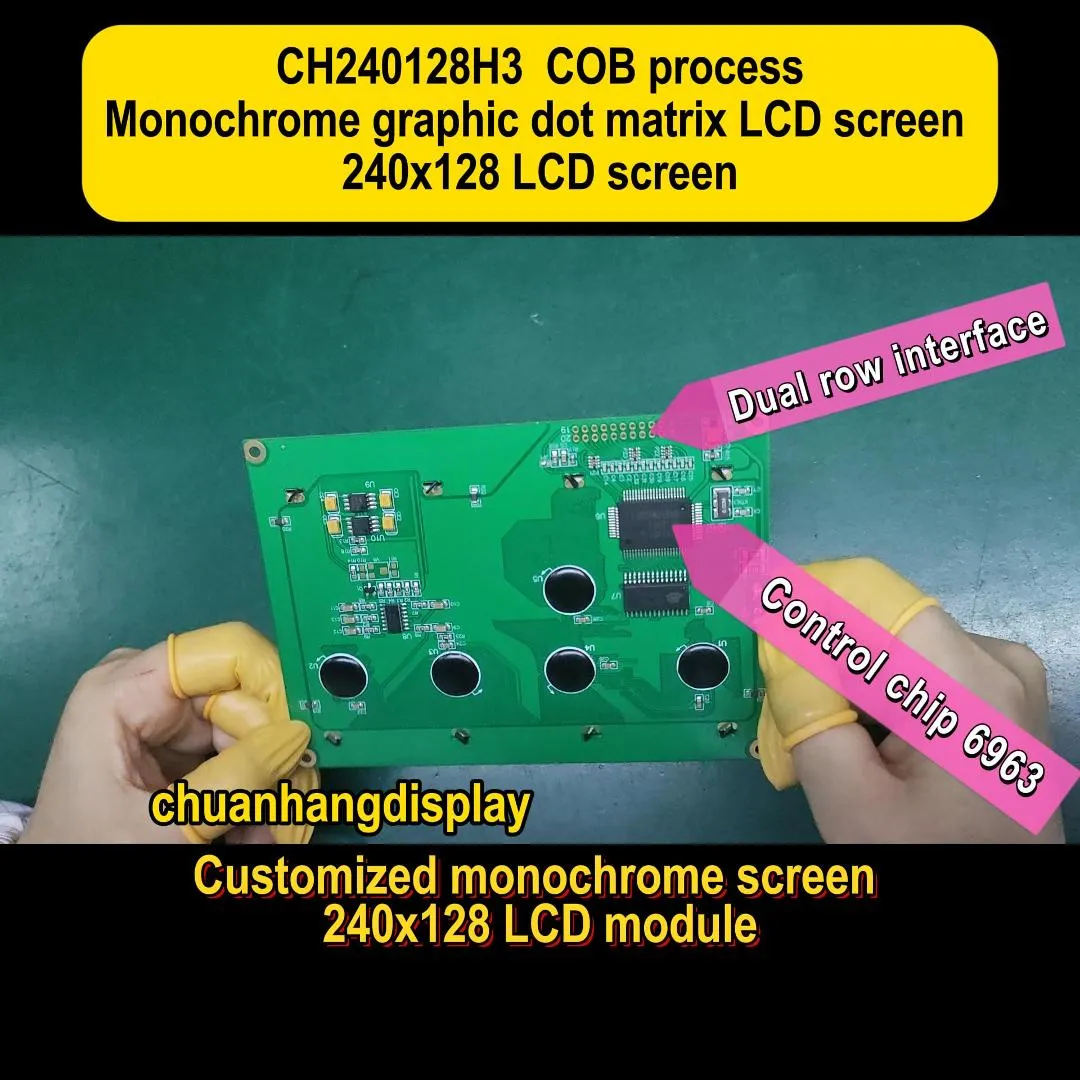
For engineers and product developers, specifying the cog module is a key decision. Several factors must be balanced to achieve the desired performance and cost targets.
Key Performance Parameters to Consider
When evaluating options, focus on these specifications:
The Importance of Supplier Partnership
Choosing a supplier is about more than just buying a component. A technical partner can provide critical support. They can offer guidance on interfacing, custom configurations for unique panels, and long-term supply chain stability. Established manufacturers bring valuable experience in solving integration challenges that can streamline your development process.
The cog module is a fundamental component that quietly powers the visual performance of LCDs across countless applications. From enabling the slim design of a smartphone to ensuring the rugged reliability of an automotive dashboard, its role is indispensable. Its impact on signal integrity, display reliability, and form factor is profound. As display technology continues to advance towards higher resolutions, faster refresh rates, and more compact designs, the innovation surrounding cog modules will remain a critical area of development. Companies focused on display excellence, including Chuanhang Display, continue to refine this technology, ensuring that this essential module meets the evolving demands of the global液晶 industry.
Q1: What exactly is a cog module in simple terms?
A1: Think of a cog module as the "translator and amplifier" for an LCD screen. It takes weak, complex instructions from the device's main brain (the controller) and converts them into strong, precise electrical commands that can quickly turn individual pixels on the glass panel on or off.
Q2: Why is the cog module so important for display quality?
A2: The module directly affects key quality aspects. A poor-quality module can lead to slow response times (causing motion blur), image noise or flicker, inaccurate colors, and even dead lines on the screen. A high-quality one ensures a sharp, stable, and responsive image.
Q3: Are cog modules and driver ICs the same thing?
A3: They are closely related but not identical. The driver Integrated Circuit (IC) is the primary chip that performs the signal conversion. The term "cog module" often refers to the complete packaged unit, which includes the driver IC, its bonding to a substrate, and the connections (like the flexible printed circuit) that interface with the LCD panel.
Q4: Can a faulty cog module be repaired?
A4: Typically, no. Due to its microscopic components and direct bonding to the glass, a faulty cog module is not repairable in the field. The standard remedy is to replace the entire LCD panel assembly. This is why reliability in the initial manufacturing is so critical.
Q5: How do I choose a cog module for a custom display project?
A5: Start by defining your display's core requirements: resolution, refresh rate, physical size, power limits, and operating environment. Then, collaborate with a knowledgeable display manufacturer or supplier. They can help match your needs with the appropriate cog module technology and often provide evaluation kits for testing.