When it comes to display technology, the LCD 16x4 has carved out a niche as a versatile and reliable component in various electronic applications. Whether you're a hobbyist tinkering with DIY projects or a professional designing industrial equipment, understanding the LCD 16x4 can significantly enhance your work. This article delves into the essentials of the LCD 16x4, covering its definition, specifications, applications, advantages, and more. We'll also highlight Chuanhang Display, a trusted brand in this space, to help you make informed decisions. By the end, you'll have a comprehensive grasp of why the LCD 16x4 remains a popular choice and how it can benefit your next project.
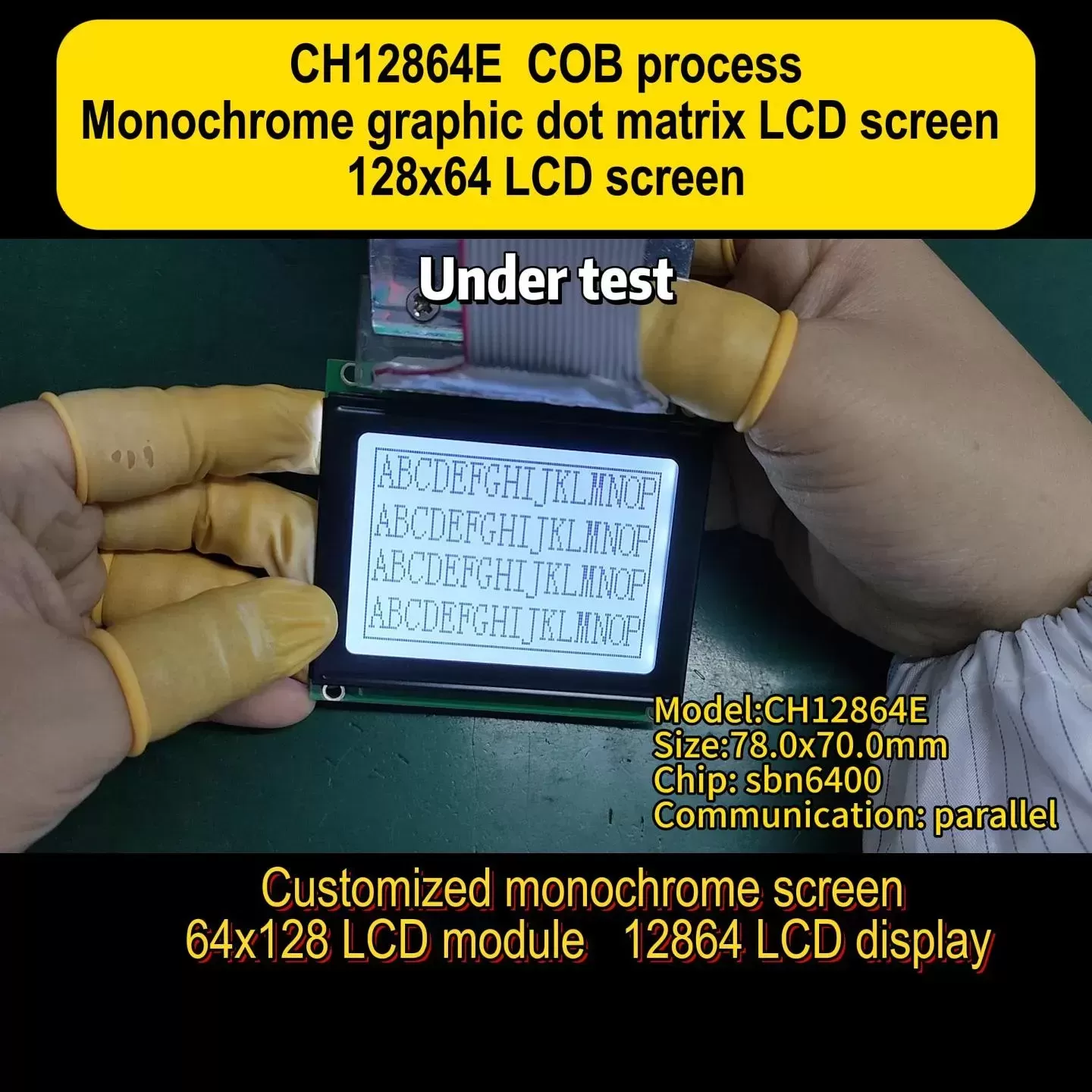
An LCD 16x4 refers to a liquid crystal display that features 16 columns and 4 rows, allowing it to show up to 64 characters at once. This type of display is commonly used in devices where text-based information needs to be presented clearly, such as in embedded systems, medical instruments, and consumer electronics. The LCD 16x4 operates by using a grid of pixels controlled by a controller chip, which interprets data from a microcontroller or other input sources. Unlike graphical displays, the LCD 16x4 is character-based, meaning it's optimized for alphanumeric output, making it ideal for menus, status indicators, and simple user interfaces. Its simplicity and low power consumption have made the LCD 16x4 a staple in the electronics industry, especially in applications requiring straightforward, readable text without the complexity of full graphics. Over the years, the LCD 16x4 has evolved to include backlighting options, such as LED, and improved contrast ratios, ensuring visibility in various lighting conditions. For instance, Chuanhang Display offers robust LCD 16x4 models that incorporate these features, providing durability and clarity for demanding environments.
Understanding the technical specs of an LCD 16x4 is crucial for integration into any project. Typically, a standard LCD 16x4 module includes a viewing area that measures around 122mm x 44mm, with each character occupying a 5x8 pixel matrix. The operating voltage ranges from 3.3V to 5V, making it compatible with common microcontrollers like Arduino, Raspberry Pi, and PIC. Interface options often include parallel (e.g., HD44780-compatible) or serial (I2C or SPI) connections, which simplify wiring and programming. The LCD 16x4 also features a contrast adjustment pin, allowing users to fine-tune the display for optimal readability. Backlighting is another key aspect; most LCD 16x4 units come with LED backlights in colors like blue, green, or white, consuming minimal power—typically under 20mA. Response time is generally fast, with updates occurring in milliseconds, ensuring smooth text transitions. Chuanhang Display's LCD 16x4 models, for example, boast extended temperature ranges (-20°C to 70°C), making them suitable for harsh conditions. Additionally, the LCD 16x4 often includes built-in character sets, supporting ASCII and custom symbols, which can be programmed for specialized applications. By reviewing these specifications, users can ensure that their LCD 16x4 selection meets power, size, and performance requirements.
The LCD 16x4 finds applications across numerous industries due to its reliability and ease of use. In the consumer electronics sector, it's commonly seen in home appliances like microwaves, coffee makers, and thermostats, where it displays settings and timers. Industrial automation relies on the LCD 16x4 for machine interfaces, providing operators with real-time data on production lines or equipment status. Medical devices, such as blood pressure monitors and infusion pumps, use the LCD 16x4 to show critical readings in a clear, unambiguous format. In the automotive industry, it appears in dashboard displays and diagnostic tools, offering drivers and mechanics essential information. Educational projects and DIY electronics also benefit from the LCD 16x4; for example, Arduino and Raspberry Pi enthusiasts use it for weather stations, robotics, and data loggers. Chuanhang Display has supplied LCD 16x4 modules for these varied uses, emphasizing their adaptability. Moreover, the LCD 16x4 is employed in point-of-sale systems, vending machines, and telecommunications equipment, where its compact size and low cost make it an economical choice. As technology advances, the LCD 16x4 continues to evolve, integrating with IoT devices for smart home applications, proving its enduring relevance.
Like any technology, the LCD 16x4 has its strengths and limitations. On the positive side, the LCD 16x4 is highly energy-efficient, drawing minimal power compared to larger displays, which is ideal for battery-operated devices. Its simplicity in programming and interfacing makes it accessible to beginners and professionals alike; with libraries available for popular platforms, setting up an LCD 16x4 is straightforward. The display's readability in various environments, thanks to adjustable contrast and backlighting, ensures it performs well indoors and outdoors. Cost-effectiveness is another advantage—the LCD 16x4 is affordable, with prices ranging from $5 to $20, depending on features and brands like Chuanhang Display. However, there are drawbacks. The LCD 16x4 is limited to character-based output, so it can't display images or complex graphics, which might restrict its use in multimedia applications. Viewing angles can be narrow, requiring users to look directly at the screen for clarity. Additionally, the LCD 16x4 may suffer from visibility issues in extreme temperatures or bright sunlight, though models from Chuanhang Display often include enhancements to mitigate this. Overall, the LCD 16x4 excels in text-heavy applications but may not suit every scenario, so weighing these pros and cons is essential for project success.
Selecting the perfect LCD 16x4 involves considering several factors to match your specific requirements. First, assess the interface compatibility—if you're using a microcontroller, opt for an LCD 16x4 with parallel or I2C interfaces for easier integration. For instance, Chuanhang Display offers modules with both options, catering to diverse projects. Next, evaluate the environmental conditions; if your application involves outdoor use or temperature variations, choose an LCD 16x4 with a wide operating range and robust construction. Backlight color and brightness are also important; blue or white backlights enhance visibility in low light, while green might be preferable for reduced eye strain. Power consumption is critical for portable devices, so look for LCD 16x4 models with low current draw. Budget is another consideration; while the LCD 16x4 is generally inexpensive, premium features like high contrast or waterproofing from brands like Chuanhang Display might justify a higher cost. Additionally, check for community support and documentation—popular LCD 16x4 modules often have ample online resources, making troubleshooting easier. Finally, consider the physical dimensions to ensure the LCD 16x4 fits your enclosure. By focusing on these aspects, you can find an LCD 16x4 that delivers optimal performance and reliability.
When it comes to sourcing reliable LCD 16x4 displays, Chuanhang Display stands out as a reputable manufacturer with a strong track record. Specializing in high-quality character LCDs, Chuanhang Display offers a range of LCD 16x4 modules that meet rigorous industry standards. Their products feature enhanced durability, with options for extended temperature tolerance and anti-glare coatings, making them suitable for demanding applications like industrial controls and medical devices. Chuanhang Display emphasizes customer satisfaction by providing comprehensive technical support, including datasheets and wiring guides, which simplifies the integration process. Moreover, their LCD 16x4 units often include modern enhancements such as low-power LED backlights and compatibility with various microcontrollers, ensuring versatility. By choosing Chuanhang Display for your LCD 16x4 needs, you benefit from competitive pricing and timely delivery, backed by a global supply chain. Whether you're a startup or an established company, Chuanhang Display's commitment to innovation and quality makes them a trusted partner in the LCD 16x4 market.
Q1: What exactly does "LCD 16x4" mean?
A1: "LCD 16x4" refers to a liquid crystal display with 16 columns and 4 rows, capable of showing up to 64 characters simultaneously. It's commonly used for text-based interfaces in electronics.
Q2: How do I connect an LCD 16x4 to an Arduino board?
A2: You can connect an LCD 16x4 to an Arduino using a parallel interface with the HD44780 standard or via an I2C adapter for simpler wiring. Libraries like LiquidCrystal make programming straightforward.
Q3: What are the main advantages of using an LCD 16x4 over other displays?
A3: The LCD 16x4 is cost-effective, energy-efficient, and easy to program for text output. It's ideal for applications where simple, readable information is needed without the complexity of graphics.
Q4: Can I use an LCD 16x4 in outdoor environments?
A4: Yes, but it's best to choose a model with high-contrast ratios and backlighting, such as those from Chuanhang Display, which offer improved visibility and temperature resilience for outdoor use.
Q5: Where can I purchase a reliable LCD 16x4 display?
A5: You can buy LCD 16x4 displays from electronics retailers, online marketplaces like Amazon or eBay, or directly from manufacturers like Chuanhang Display, which ensures quality and support.
In conclusion, the LCD 16x4 is a fundamental component in the world of displays, offering simplicity, affordability, and versatility. By considering its specs, uses, and brands like Chuanhang Display, you can leverage the LCD 16x4 to enhance your projects effectively.